Engagement Stage Rental for Family Events
In this article
- Engagement Stage Rental in Kuwait
- Engagement Ceremony Stages in Kuwait
- Modern Engagement Stages
- Classic Stages for Family Events
- Floral Engagement Stages
- Home Stages for Family Events
- Engagement Photography Platform
- Couple Reception Stages
- Stage Setup with Lighting and Flowers
- Booking Event Stages in Kuwait
- Conclusion
- Frequently Asked Questions
Engagement stage rental for family events requires choosing a design that suits the nature of the occasion, venue size, and number of guests rather than simply selecting an attractive backdrop and placing it in the space. A home engagement celebration differs from a formal engagement ceremony in a hall, while a stage intended mainly for photography has different requirements from a reception platform where the couple will remain seated for a longer period. From practical event preparation experience, the best results usually come from defining the exact function of the stage first and then selecting its dimensions, materials, flowers, and lighting according to that purpose. This approach creates a design that fits naturally within the venue, supports photography and guest reception, and avoids consuming unnecessary space or increasing costs through elements that add little real value to the final scene.
Engagement Stage Rental in Kuwait
Engagement stage rental in Kuwait depends on understanding the space where the event will take place and how the stage will actually be used throughout the celebration. The stage may function primarily as a photography backdrop, a fixed seating area for the couple, or a reception point where family members and guests gather around them. Each of these purposes requires a different depth, circulation area, and approach to lighting and floral distribution.
From practical experience, choosing a large stage simply because the design looks impressive can create genuine problems in some venues. If the hall is small or the occasion is being held at home, an oversized backdrop may occupy a large portion of the usable space, compress guest seating, and reduce the distance available for photography. It is more effective to match the stage dimensions to the available wall and the required open area in front rather than selecting a design based only on how it appears in a catalogue.
The background that will appear in photographs also needs to be considered. If the stage is open at the sides, doors, furniture, or other household elements may remain visible behind it. The photography angle should therefore be reviewed before the design is approved. Some venues need a fuller background that visually hides surrounding elements, while others can take advantage of an attractive existing wall and reduce the amount of additional structure required.
When choosing an engagement stage, review:
• The function of the stage during the event and whether it will be used for photography seating or receiving guests because this determines the required depth and usable area in front
• The available wall width and height so the design is neither too large for the venue nor too small to create the intended visual presence
• The distance required in front of the stage for photography and comfortable movement by the couple and guests without interfering with surrounding seating
• Doors windows fixed furniture and other elements that may remain visible behind or beside the design
• The relationship between backdrop colors and the couple’s clothing flowers and the general lighting of the venue
• The complete service scope including transportation installation final adjustment and dismantling so the booking is clear before execution
Engagement Ceremony Stages in Kuwait

Engagement ceremony stages in Kuwait require a design that balances celebration and intimacy because this type of event is often smaller than a full wedding but still carries significant visual importance for family photographs and guest reception. The stage does not usually need the same scale as one used for a large wedding. Instead, it benefits from more focused details that appear clearly within the available space.
From a practical perspective, it is useful to determine how many people are expected to appear in photographs in front of the stage. If the couple will frequently be photographed with larger family groups, the backdrop should be wide enough to keep everyone visually within the design. If the main use will be photographs of the couple alone, a more concentrated backdrop with less overall width and depth may work better.
The seating arrangement itself should also be planned carefully. Some engagement ceremonies use two distinct chairs, while others use a compact sofa or shared seat. The furniture choice changes the proportions of the background and the space required between the seating and decorative elements. It is therefore better to approve the stage and furniture together rather than selecting them separately.
Lighting at engagement ceremonies often benefits from a calmer approach so facial details and flowers remain clear in photographs. Excessively strong lighting may make the stage feel too large for the space or produce unwanted reflections on glossy materials.
When preparing an engagement ceremony stage, consider:
• The number of people expected in group photographs so the backdrop width is suitable for family groups rather than calculated only for the couple
• The seating type used in front of the stage whether two chairs or a sofa and how it affects the required depth of the arrangement
• The primary event colors and how they coordinate with the backdrop and flowers without introducing too many competing shades into a limited space
• The distance between the stage and guest tables or chairs so the photography area remains easy to access
• The lighting level required to highlight details without producing strong glare on the backdrop or faces
• Reviewing the complete scene after furniture and decoration are installed because the quality of the stage depends on the final composition rather than the background alone
Modern Engagement Stages
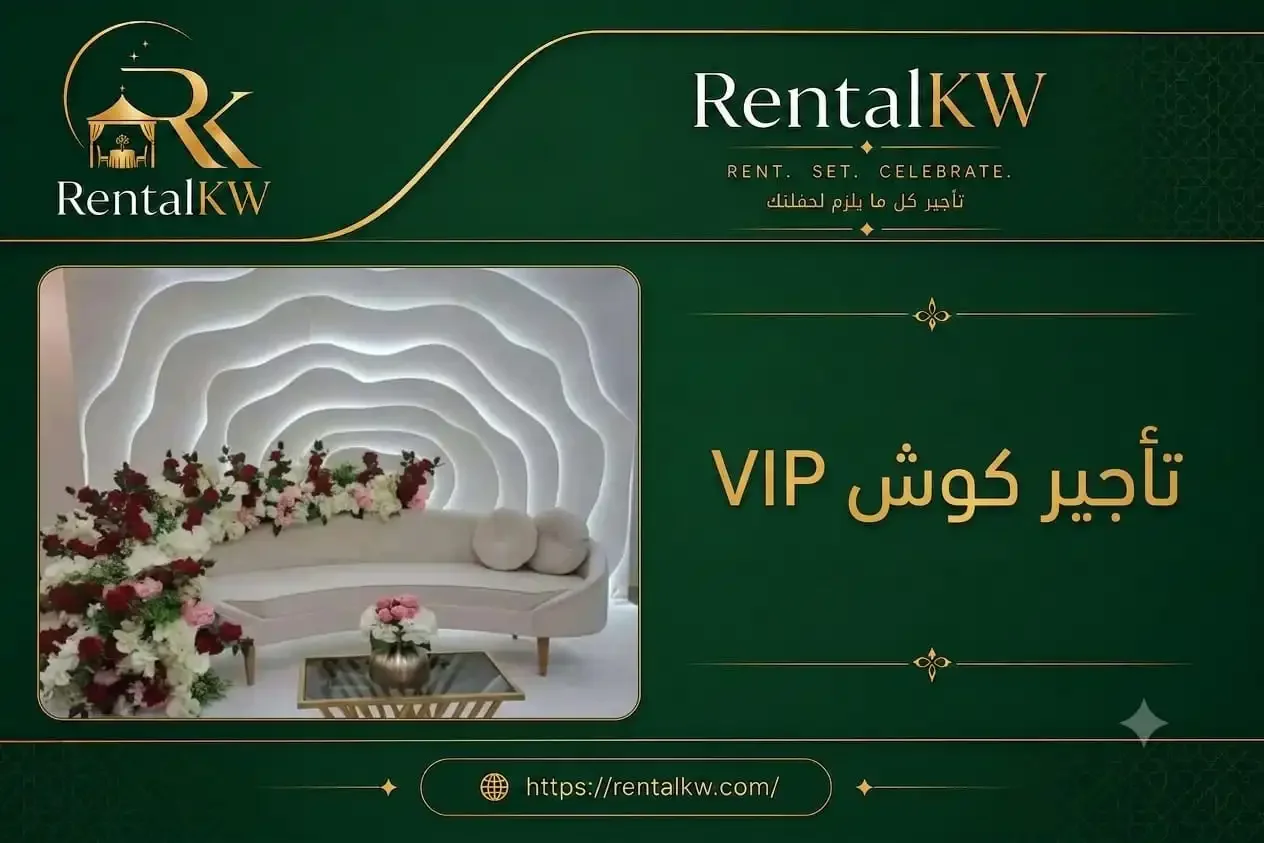
Modern engagement stages rely on clear lines and carefully selected details rather than a large number of decorative elements. They may use geometric backgrounds, simple arches, smooth surfaces, and limited floral or lighting accents. For this reason, some modern designs may appear simple visually while requiring very accurate execution because alignment and finishing imperfections become more noticeable when there are fewer decorative elements to hide them.
From practical experience preparing modern setups, smaller spaces often benefit significantly from this approach because a distinctive stage can be created without filling the entire wall with heavy decorative features. A single arch, sculptural backdrop, or concentrated floral arrangement can become the primary visual element while the remaining details stay deliberately restrained.
Color selection also requires discipline. Using two or three coordinated tones often produces a stronger result than introducing a large number of shades. If the venue already contains a distinctive wall or noticeable flooring, these elements should be incorporated into the visual plan rather than designing the stage as though it were being installed in an empty room.
Lighting also influences the appearance of modern lines. Directional light can highlight depth and layered surfaces effectively, but overly strong or poorly angled illumination can expose small surface inconsistencies.
When choosing a modern engagement stage, review:
• The main design concept and avoid adding elements that do not support it simply to increase the amount of decoration
• The quality of background and edge finishing because simplicity makes small imperfections more noticeable
• The number of colors used and whether they coordinate with the venue instead of creating a visually crowded palette
• The relationship between the stage and the existing wall or flooring
• Concentrating floral arrangements in selected areas rather than covering the entire background without a clear purpose
• Testing lighting across different surfaces and angles before the event begins to ensure the design appears as intended
Classic Stages for Family Events
Classic stages for family events are suitable when the desired design includes a stronger presence through decorative backgrounds, details, flowers, and fabrics. However, success still depends on matching the amount of decoration to the size of the venue. A classic style does not mean filling every available surface. It means creating a balanced arrangement that feels formal or luxurious without becoming visually heavy.
From a practical perspective, one detailed backdrop with carefully positioned flowers can create a stronger result than several overlapping layers. The smaller the venue, the more important it becomes to control the number and scale of decorative elements. Larger halls can support taller backgrounds, columns, or arches more comfortably.
Furniture positioned in front of the stage should also be considered. Traditional seating can complement the classic background, while very modern furniture may create either an intentional contrast or an unplanned visual mismatch depending on the overall concept. The complete arrangement should therefore be reviewed before installation.
When preparing a classic stage, consider:
• The scale of decorative details in relation to the venue and avoid oversized elements in a limited hall
• The balance between flowers and decorative structures so one primary visual feature remains clear instead of filling every section
• The furniture style and how well it works with the backdrop and fabrics
• Ceiling height and whether the venue can comfortably accommodate taller background elements
• Colors that preserve the classic character without making the scene excessively dark or crowded
• Keeping enough open space in front of the stage for photography and movement despite the richer decorative treatment
Floral Engagement Stages
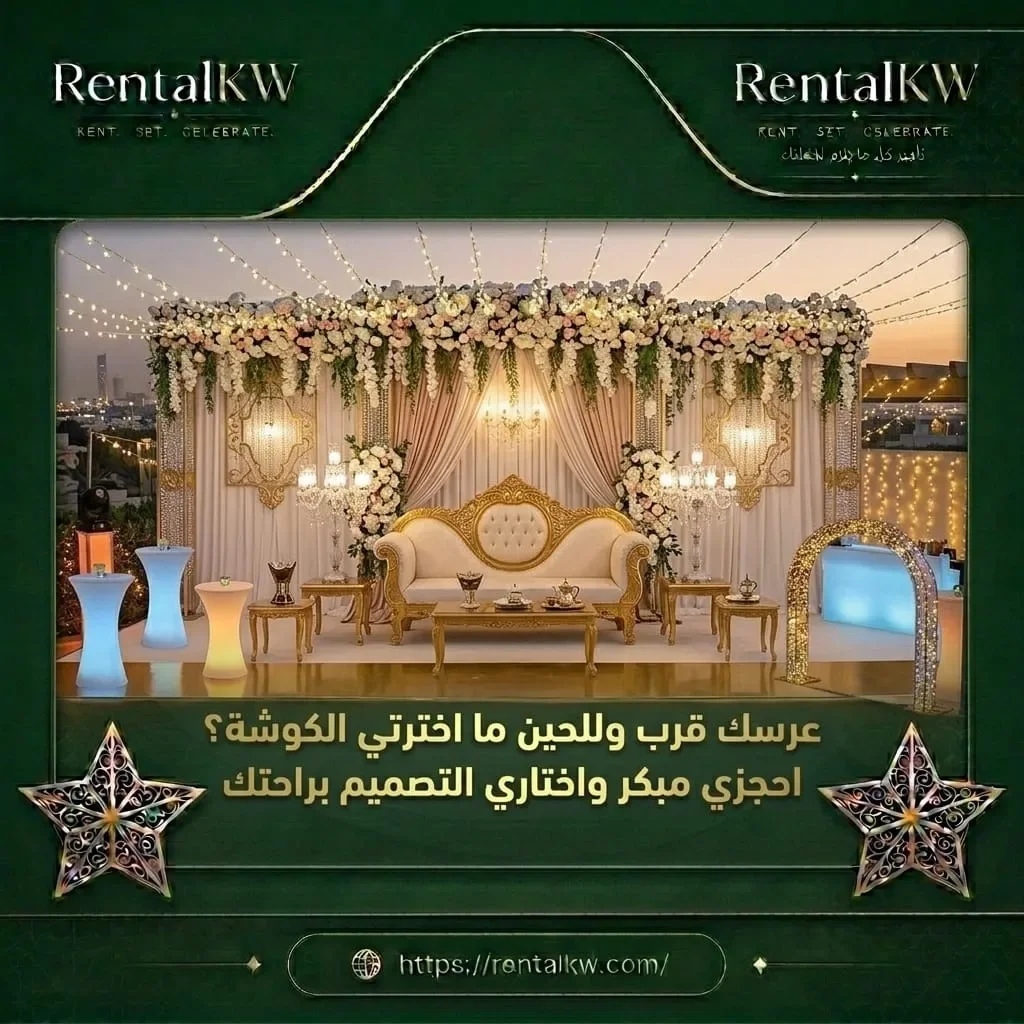
Floral engagement stages use flowers as a primary visual element, which means the location of the main floral focus should be identified before the quantity is selected. The goal is not necessarily to cover the entire backdrop with flowers but to position them where the eye and camera will notice them most clearly.
From practical experience, a concentrated floral arrangement along one side or across the upper section of the backdrop can create more visual impact than a larger quantity spread thinly across the entire surface. Leaving deliberate empty space also allows the flower colors to appear more clearly and prevents the overall design from becoming too heavy.
Flower size should also suit the scale of the occasion. Very large flowers may work well on a wide backdrop but can overwhelm a smaller home setting. Similarly, floral colors that are too close to the backdrop tone may disappear in photographs.
When preparing a floral engagement stage, review:
• The location of the main floral focal point instead of distributing the quantity evenly across the whole backdrop
• Flower size compared with the dimensions of the venue so the visual proportions remain balanced
• Color contrast between flowers and the background so individual details remain visible in photographs
• The relationship between floral colors and the couple’s clothing to avoid unnecessary clashes
• Leaving enough visual breathing room so the flowers appear more distinctive
• Ensuring the floral arrangement remains stable and is not disturbed by movement or air conditioning during the event
Home Stages for Family Events
Home stages for family events require careful understanding of residential spaces because homes often contain fixed furniture, doors, corridors, screens, and windows that cannot simply be ignored. Success therefore depends on choosing a design that works with the existing environment rather than trying to transform the home into a large event hall.
From a practical perspective, a shorter but visually cleaner wall can be more useful than a wider wall interrupted by a door or fixed furniture that cannot be removed. Access routes for bringing stage components into the home should also be considered because some large pieces may not fit comfortably through doorways, staircases, or corridors.
Home stages also allow smaller and more detailed elements to be appreciated at close range. There is usually no need for an excessively tall backdrop because guests and cameras are positioned relatively near the stage. This creates an opportunity to direct the budget toward material quality and careful coordination rather than sheer scale.
When preparing a home stage, consider:
• Selecting the wall that provides the cleanest background even if it is not the largest wall in the home
• Measuring doors corridors and stairways before approving large structural pieces
• Preserving a clear route for family members and guests away from the photography platform
• Avoiding blocked exits or household elements that may still need to be used during the event
• Choosing a height that suits the residential ceiling without making the room feel visually compressed
• Protecting flooring and walls during installation and dismantling and returning the space to its normal condition afterward
Engagement Photography Platform
An engagement photography platform differs from a stage intended for extended seating because the main priorities are the camera angle, background composition, and standing space for the people being photographed. The expected photography style should therefore be established before deciding the platform width and height.
From a practical perspective, group photographs require more space than individual portraits. If the couple will be photographed with family members, the backdrop should extend far enough to remain behind the complete group rather than ending behind the couple alone. There should also be sufficient distance in front of the platform so the photographer can move backward without colliding with tables or guests.
A limited number of carefully chosen elements such as a side floral arrangement, background lighting, or the couple’s names can often create a stronger photographic result than filling the platform with details that distract from the people standing in front of it. The purpose is to create a clear and distinctive background that supports the subjects instead of competing with them.
When preparing a photography platform, review:
• The type of photographs expected and whether they include large family groups or only a limited number of people
• The width of the backdrop and standing area in relation to the number of people expected in each photograph
• The distance available in front of the platform for the photographer and equipment
• Platform height if elevation is required and how easy it is to access
• Lighting strength and direction so faces and the background appear balanced
• Limiting decorative elements that might block people or make photographs visually crowded
Couple Reception Stages
Couple reception stages need to support arrival, greetings, seating, and photography at the same time. The route toward the stage should therefore be clear and should not require the couple or guests to move awkwardly between tables or decorative elements.
From a practical perspective, stage location is just as important as the design itself. If it is placed deep inside a difficult-to-reach corner, groups of guests may gather along the access route and create congestion. If it is too close to the entrance, the entire arrival area may become overcrowded. A reasonable transition area between the entrance and stage usually supports smoother movement.
The seating should also be selected according to how long the couple is expected to remain there. If they will sit for a significant portion of the event, comfort becomes more important than choosing furniture only because it looks attractive in photographs.
When preparing a couple reception stage, consider:
• A clear route from the entrance to the couple’s platform
• Enough space for guests to offer congratulations without blocking circulation
• Comfortable seating if the couple will remain seated for an extended period
• Side space for photography without disrupting the flow of the event
• Visual coordination between the entrance and backdrop through color or lighting
• Avoiding protruding decorative elements directly along the route used by the couple and guests
Stage Setup with Lighting and Flowers
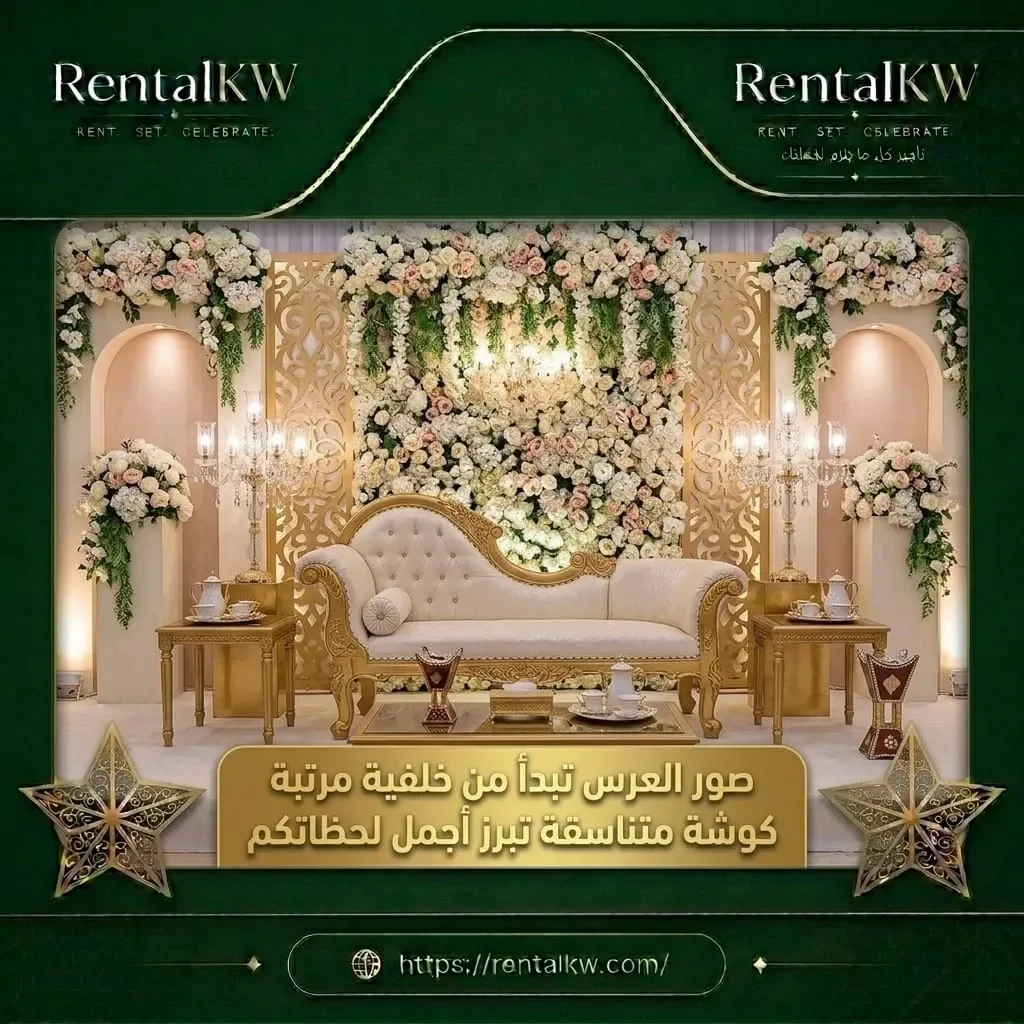
Stage setup with lighting and flowers depends on balancing three elements that should support rather than compete with one another. The backdrop establishes the main form, flowers add color and texture, and lighting reveals those details. If one element is exaggerated, it can reduce the impact of the others.
From practical experience, it is usually better to install the background first, determine the actual floral positions second, and then adjust lighting according to the completed design. Installing the lighting before the flowers can result in angles that no longer work once the arrangement is finished. Dense floral areas may also block certain light sources or alter shadow patterns.
The complete setup should be tested through the camera after all lighting is operating because illumination that appears comfortable to the eye may look excessively strong in photographs. In some cases, adjusting the angle of one light produces a better result than adding more equipment.
When preparing a complete stage, review:
• Installing the backdrop first and then distributing flowers and lighting according to the final composition rather than developing each element independently
• Concentrating flowers in selected areas instead of covering the entire design
• Directing lighting to reveal floral and material details without producing direct glare
• Ensuring cables and operating equipment do not appear within the main photography angle
• Testing the complete scene through the camera after all lighting is operating
• Reviewing the stability of flowers and the backdrop before guests arrive and completing final adjustments early
Booking Event Stages in Kuwait
Booking event stages in Kuwait should begin after defining the occasion type, venue size, stage purpose, and available budget. Booking based only on a photograph can result in a design that does not fit the wall, leaves insufficient room for photography, or requires additional elements that were not included in the original price.
From a practical perspective, customers should request detailed dimensions and confirm whether the quotation includes the platform, furniture, flowers, lighting, transportation, installation, and dismantling. Two packages may look similar in photographs while differing significantly in what is actually included.
Installation timing should also allow enough time for a final review before the event. A stage should be evaluated after it is fully assembled rather than only when the installation team finishes unloading components. A decorative element may need repositioning or lighting may need adjustment once the full venue can be seen.
When booking, confirm:
• The final dimensions of the design and whether they suit the available venue space
• Every element included in the quotation in clear written form
• The agreed flower type materials and lighting instead of relying on general descriptions
• Installation timing and enough opportunity to review the finished result before guests arrive
• Dismantling and transportation services after the event
• The ability to modify selected details if the event colors or stage location change before execution
Conclusion
Successful engagement stage rental for family events does not depend on the size of the design or the quantity of flowers and lighting. It depends on how well the stage matches the occasion, venue, and actual purpose. A home engagement requires a different solution from a formal engagement ceremony in a hall, while a photography platform has different requirements from a reception seating area for the couple.
The most important step is defining the purpose of the stage before choosing the design. If it is primarily intended for photography, priority should be given to the background and camera space. If the couple will remain seated for a long period, furniture comfort and access routes become more important. If the stage is mainly for receiving guests, movement and greeting space should guide the layout.
Carefully controlled simplicity can also produce a stronger result than excessive detail. Modern stages depend on accurate lines and high-quality finishing, while classic designs require careful control of decorative scale so the venue does not become visually crowded. In both cases, flowers and lighting should support the central idea rather than being added simply to increase the number of elements.
Measurements become particularly important in homes and smaller venues because even a small difference in dimensions can affect movement and photography. The wall, access routes, ceiling height, and camera distance should therefore be reviewed before the final design is approved.
Ultimately, the strongest booking is one that clearly defines dimensions, materials, flowers, lighting, furniture, installation, and dismantling from the beginning. This makes comparison between offers more meaningful, reduces unexpected changes, and helps the stage appear as a natural part of the celebration rather than a separate decorative structure forced into the venue.
Frequently Asked Questions
How do I choose the right stage for an engagement?
Start with the venue size and the intended function of the stage, then determine how many people will use it or appear in photographs. After that, choose dimensions, design, flowers, and lighting that suit the available space rather than relying only on a ready-made photograph.
Are modern stages suitable for home events?
Yes. They are often well suited to residential spaces because they can use simple lines and smaller decorative elements. The wall, ceiling, and photography area should still be measured carefully before selecting the design.
What is the difference between an engagement stage and a photography platform?
An engagement stage may be used for seating, receiving guests, and photography, while a photography platform focuses primarily on the background, standing space, and camera angle. The design priorities and required dimensions are therefore different.
Do floral engagement stages require a large quantity of flowers?
Not necessarily. Concentrating flowers in carefully selected focal points can create more impact than covering the entire backdrop. The key is maintaining balance between color, venue size, and photography angles.
What should be considered when preparing a home stage?
Measure the wall, doors, corridors, and ceiling height and identify which existing furniture will remain in the room. Guest movement should also remain clear, and the stage should not block entrances or household features that need to remain accessible.
Are lighting and flowers always included in the stage price?
No. Packages differ between providers, and lighting, flowers, or furniture may be calculated separately. Every included item should therefore be confirmed before booking.
When should an engagement stage be installed?
It is preferable to complete installation early enough before the event to review the design, lighting, and flowers from the main photography angle and make any necessary adjustments before guests arrive.
How should I compare event stage offers?
Compare dimensions, materials, flowers, lighting, furniture, transportation, installation, dismantling, and all included services rather than considering only the price or design photograph. The best offer is the one that genuinely suits the venue and defines the complete service clearly.