
Best Funeral Chairs for Comfort and Organization
In this article
- Best Types of Funeral Chairs
- Comfortable Funeral Chairs for Sitting
- Padded Funeral Chairs
- Plastic Chairs for Funeral Gatherings
- Chairs Arranged in Rows for Funeral Gatherings
- Choosing Chairs for Elderly Guests
- Suitable Chairs for Indoor Funeral Gatherings
- Best Seats for Receiving Mourners
- Funeral Chairs for Small Spaces
- Choosing Funeral Chairs Based on Sitting Duration
- Conclusion
- Frequently Asked Questions
Choosing chairs for funeral gatherings requires greater attention to comfort, a calm atmosphere, and the ease of welcoming mourners than to appearance alone. Some visitors remain seated for short periods, while elderly guests and members of the deceased's family may need suitable chairs for longer periods of sitting. For this reason, the best funeral chairs for comfort and organization vary depending on the nature of the gathering, the available space, and the expected number of attendees. Padded chairs provide a different seating experience from plastic chairs, while arranging seats in rows affects how mourners move around the venue. In this guide, we explain the practical differences between funeral chair types and how to select suitable seating without unnecessary expenses, while respecting the privacy and solemn atmosphere of the occasion.
Best Types of Funeral Chairs
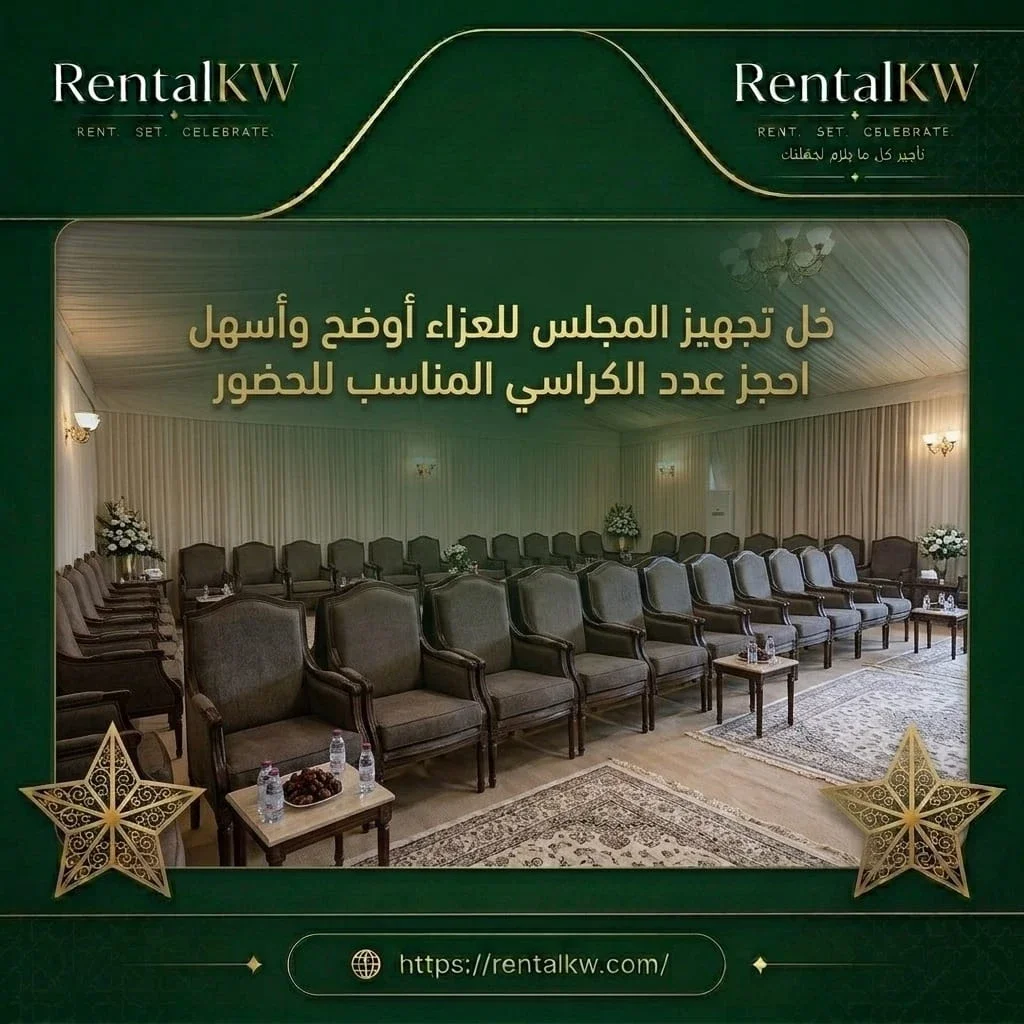
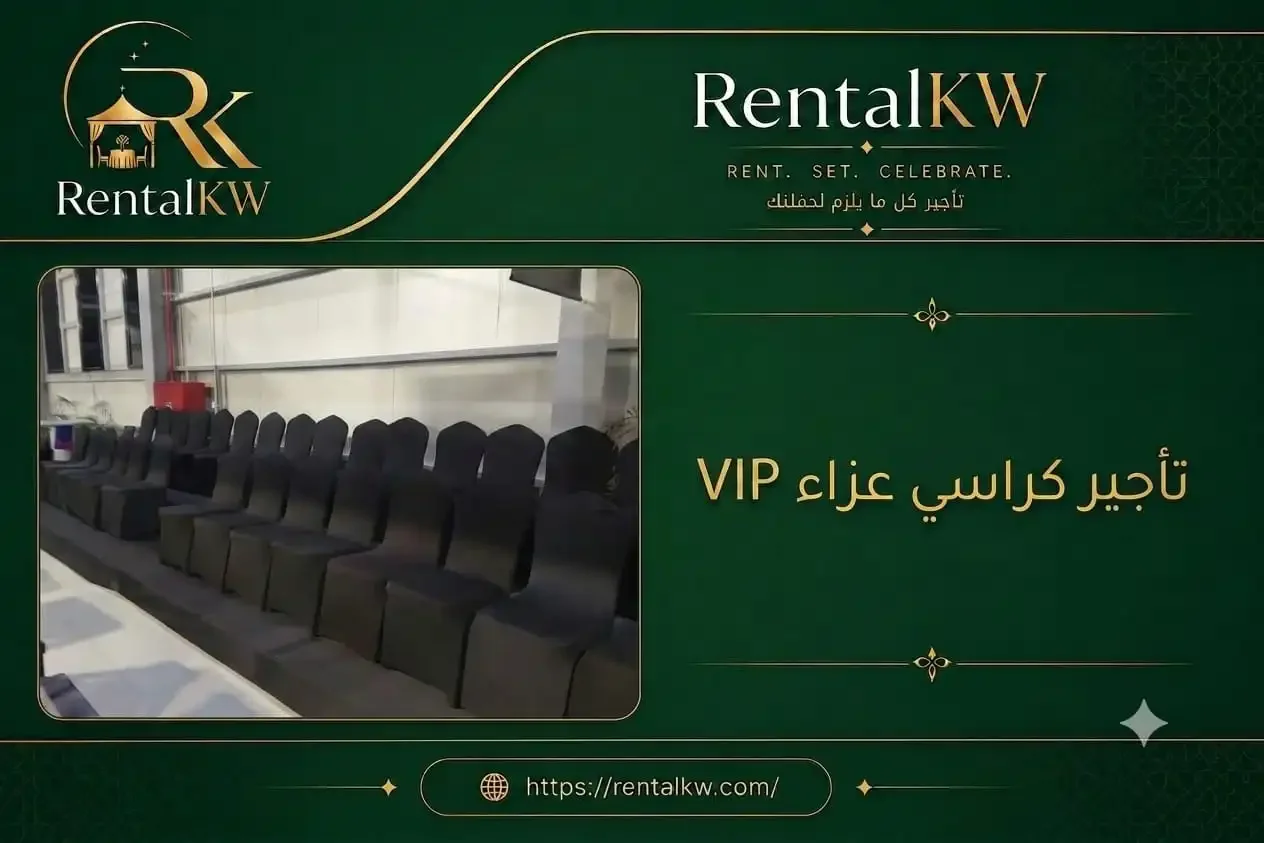
When comparing the best types of funeral chairs, it is important to consider several practical characteristics rather than choosing a chair based only on its appearance or rental price. A chair suitable for a funeral gathering that receives changing numbers of mourners may differ from one required for a family gathering where relatives remain seated for several consecutive hours. Therefore, no single chair type can be considered the best for every gathering without understanding how it will be used.
Available options include padded chairs, plastic chairs, chairs with metal frames, and designs intended for frequent rearrangement. Some types may provide backrests or wider seats, while others are easier to transport, clean, and arrange into rows. However, durability and the ability to withstand repeated use cannot be judged from the material alone because manufacturing quality, chair condition, and technical specifications all affect the result.
If the gathering involves a continuous flow of visitors who remain seated briefly, the ability to arrange chairs easily and maintain clear walkways may be among the main priorities. However, when certain people will remain seated for extended periods, greater importance should be given to back support, chair stability, and appropriate seat height.
A common mistake is assuming that the chair with the thickest padding is always the most comfortable. Comfort also depends on seat height, seat depth, backrest angle, and how well the design suits the person using it. For this reason, testing a sample chair before approving a large rental quantity is preferable whenever possible.
When comparing chair types, it is also important to examine the condition of the rental furniture and confirm that the seats are clean, stable, and free from damaged components or edges that could cause discomfort.
When choosing the best types of funeral chairs, consider the following:
-
Evaluate how the chairs will be used before selecting a type: Determine whether the seating will accommodate mourners who arrive and leave throughout the day or family members who remain seated for longer periods because the duration of use and visitor reception arrangements affect the importance of comfort and ease of organization
-
Compare back support across different designs: Examine the height and shape of the backrest and how well it supports a normal sitting position rather than assuming that all chairs with similar appearances provide the same level of comfort
-
Pay attention to frame stability and manufacturing quality: Check that the legs and connections are secure and that the chair remains stable on the intended flooring because the material alone is not enough to determine seating quality or suitability
-
Consider how easily chairs can be arranged next to one another: Choose a design that allows organized rows without uncomfortable interference between chair components or restrictions on access to seats located farther inside the row
-
Inspect cleanliness and overall condition: Review the condition of seats backrests and surfaces before accepting delivery and make sure there is no visible damage or dirt that could affect the appearance of the gathering or the comfort of mourners
-
Compare the actual value of the rental service: Evaluate the chair rental price alongside its condition comfort level and included services such as transportation arrangement and removal when available instead of relying on the lowest unit price without considering the quality of the complete setup
Comfortable Funeral Chairs for Sitting
Searching for comfortable funeral chairs for sitting is closely connected to the nature of funeral gatherings, which may include people of different ages and with different seating requirements. A chair that feels suitable when used for a few minutes may become less comfortable after a longer period if its height is inappropriate or its backrest does not provide adequate support.
Comfort begins with a natural sitting position. Ideally, the chair should allow a person to sit with their feet resting appropriately on the floor, while the seat depth should suit the length of their thighs without creating uncomfortable pressure behind the knees. However, these characteristics vary from person to person, so no single chair size provides ideal comfort for every mourner.
The seat surface also affects the experience. Firm seats may be suitable for certain short-term uses, while some people prefer a layer of padding that reduces the sensation of sitting on a hard surface. Nevertheless, increasing the thickness of the cushion does not necessarily improve comfort if the padding is excessively soft or has lost its shape through repeated use.
It is also important to recognize that comfort is not determined by the chair alone. A seat may be suitable, but placing it too close to neighboring chairs can make sitting down or standing up difficult. Appropriate movement space should therefore be considered when arranging the seating.
When preparing a funeral gathering, it can be helpful to reserve some easily accessible chairs for people who may need to sit down quickly or experience difficulty moving. These needs can be accommodated without assuming that every attendee requires the same type of chair.
When choosing comfortable funeral chairs for sitting, consider the following:
-
Test the seat height before renting: Sit on the chair to confirm that its height allows the feet to rest securely and makes sitting down and standing up possible without unusual effort because chairs that are too high or too low may not suit certain users
-
Review seat depth and width: Choose a seat that provides appropriate room for the body without forcing the user to sit too far from the backrest or causing uncomfortable pressure along the front edge of the seat
-
Examine the backrest design: Make sure the shape of the backrest supports a natural sitting position without pushing the body into an uncomfortable posture because simply having a backrest does not necessarily make a chair suitable for everyone
-
Evaluate the feel of the seating surface: Compare firm and padded seats according to the expected duration of use while paying attention to the condition of the cushioning and how well it maintains its shape rather than judging comfort from appearance alone
-
Leave suitable space for sitting down and standing up: Avoid arranging chairs in a way that requires mourners to repeatedly move neighboring seats because easy access to seating is an important part of practical comfort
-
Provide different seating options when necessary: Reserve some chairs with alternative designs if the expected attendees require them so the entire gathering does not depend on one chair type that may not suit elderly guests or people with different needs
Padded Funeral Chairs
Padded funeral chairs are among the options worth comparing when seating comfort is a major priority. Their main difference from unpadded chairs lies in the seating surface and how it responds to the user's weight. However, the quality of a padded chair is not determined simply by the presence of foam or fabric. It also depends on the chair's design, the condition of its cushioning, frame stability, and how easily it can be kept clean.
Padding may cover only the seat or both the seat and backrest. Each design provides a different experience. Padding in the seating area may reduce the sensation of a hard surface, while a padded backrest can create a different feeling when leaning backward. Nevertheless, cushioning cannot compensate for a poorly designed chair or dimensions that do not suit the person using it.
The condition of the padding in rental chairs deserves particular attention. Some seats may appear attractive from the outside, while the cushioning underneath has become uneven or compressed through repeated use. It is therefore preferable to test the chair and observe whether the seat maintains an appropriate shape when someone sits down and stands up.
Upholstery material also affects practical use. Some fabrics require more careful cleaning, while other surfaces differ in how easily dirt can be removed according to their specific care instructions. It would be incorrect to assume that all padded chairs can be cleaned using the same method.
Rental costs may vary depending on the chair design, condition, quantity, and accompanying services. Comparing the actual available options is therefore better than assuming that every padded chair is necessarily more expensive or better than an unpadded alternative.
When choosing padded funeral chairs, consider the following:
-
Determine where padding is needed: Identify whether the requirement is for a padded seat only or padding that also covers the backrest because the choice should reflect the expected sitting experience rather than the chair's external appearance
-
Test how the cushioning responds during use: Make sure the padding does not appear flattened or uneven and that it maintains an appropriate shape after sitting because cushioning quality affects the actual feeling of comfort
-
Inspect the upholstery fabric: Examine the seat and backrest for tears visible stains or loose sections that could affect the cleanliness of the gathering and the appearance of the chairs
-
Consider the upholstery material: Ask about the appropriate care and cleaning methods for the selected material especially when the gathering continues for several days because different fabrics and padded surfaces do not respond to dirt in the same way
-
Compare padding with the complete chair design: Do not select a chair simply because its cushioning is thick but also review seat height depth back support and frame stability so the padding provides a genuine improvement in comfort
-
Review cost in relation to chair condition: Compare rental quotations according to padding quality upholstery condition overall appearance and agreed services rather than paying extra for a design that offers no clear benefit for the particular gathering
Plastic Chairs for Funeral Gatherings
Plastic chairs for funeral gatherings are practical options worth considering when preparing gatherings that receive changing numbers of mourners, especially when ease of transportation, cleaning, and rearrangement are priorities. However, choosing plastic chairs should not depend only on their potentially lower cost or lighter weight because material quality, design, and chair condition all influence their suitability.
Plastic chairs differ in frame thickness, seat shape, backrest height, and how they distribute weight. One design may be suitable for short periods of sitting, while some people may prefer chairs that provide greater support during extended use. Therefore, it is incorrect to assume that all plastic chairs are similar simply because they are made from the same material.
One important consideration is the chair's ability to remain stable on the flooring used at the gathering. Sitting may become uncomfortable if the legs are unstable or the floor is uneven. Chairs should also be checked for cracks, weakened components, or sharp edges because seating safety is more important than ease of transportation or a low rental price.
Some designs can be stacked for storage, which is useful when organizers need to keep spare chairs outside the main seating area. However, it is important to confirm that the design is intended for stacking and follow the supplier's instructions rather than assuming that every plastic chair can be stacked.
When comparing rental costs, chair condition, required quantity, and accompanying services should all be considered. The lowest unit price does not always represent the most suitable option if the chairs are uncomfortable or need replacement because of their condition.
When choosing plastic chairs for funeral gatherings, consider the following:
-
Inspect the quality of the plastic frame: Make sure the chair body has no visible cracks distortions or weakened areas because the condition of the material affects safe use and durability cannot be judged from weight or appearance alone
-
Review the leg design and supporting base: Test the chair on flooring similar to that of the gathering to confirm that it remains stable and does not wobble while someone is seated because different surfaces may reveal problems that are not noticeable elsewhere
-
Choose a seating surface suitable for the expected use: Compare seat width depth and backrest shape so the focus on easy cleaning does not overshadow the needs of people who will remain seated for longer periods
-
Confirm whether the chairs can actually be stacked: Ask the rental provider about permitted stacking methods if spare chairs are required because improper stacking may cause damage or make chairs difficult to retrieve
-
Make sure the surfaces are easy to clean: Review the condition of the seats before accepting delivery and understand the appropriate cleaning method so they can remain presentable throughout the gathering without using products that may damage their surfaces
-
Compare cost with actual usability: Evaluate plastic chairs according to their condition comfort ease of handling and included rental services instead of automatically considering them the best option simply because they may cost less than certain alternatives
Chairs Arranged in Rows for Funeral Gatherings
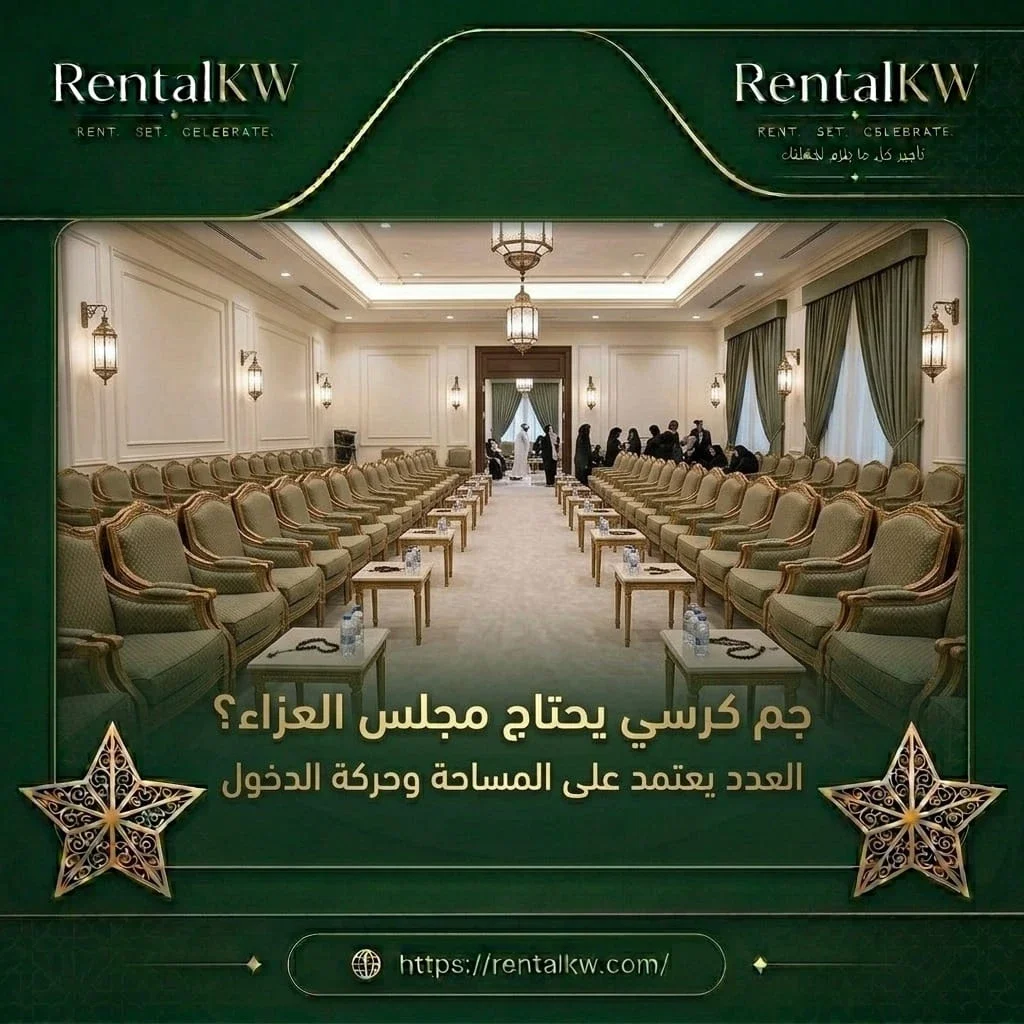
Choosing chairs arranged in rows for funeral gatherings depends on whether the chair design allows clear, coordinated seating arrangements that help mourners reach their places and move between them without confusion. In gatherings with a continuous flow of visitors, the ability to organize rows easily and maintain their alignment becomes important alongside seating comfort.
Using chairs that look alike does not automatically mean they will work well in rows. Some designs have armrests or wide bases that make placing chairs next to one another more difficult. Other types may require different spacing because of their leg design or the way the seats are used.
It is preferable to determine the direction of the rows according to the reception area and the movement patterns inside the gathering. If the entrance is located along one side of the venue, organizers should consider how visitors will reach available seats without repeatedly passing in front of seated guests or obstructing other people's movement.
Organized rows require more than placing chairs in straight lines. They also need a layout that allows access to inner seats, exits, and walkways according to venue requirements. Increasing the number of chairs in each row may appear to provide more seating, but it can make movement difficult when a mourner needs to leave.
A practical mistake is relying on the initial arrangement without reviewing it after the gathering begins. Chairs may shift because people repeatedly sit down and stand up, so having someone responsible for restoring their positions when necessary can be useful without disturbing attendees.
When choosing chairs arranged in rows for funeral gatherings, consider the following:
-
Compare chair widths when positioned side by side: Make sure the design allows a consistent row without armrests or bases interfering with one another because the actual width of each chair affects the arrangement more than its appearance when used individually
-
Determine row direction according to reception movement: Choose an arrangement that allows mourners to move clearly from the entrance to available seats without passing through crowded areas or obstructing people leaving the gathering
-
Review access to seats farther inside each row: Avoid increasing the number of chairs in a single row simply to save space because seats far from a walkway may become difficult to use if reaching them requires other people to move
-
Maintain designated circulation routes: Arrange rows while respecting entrances exits and venue requirements instead of using every available gap for additional chairs at the expense of easy movement
-
Choose a design that stays in position during use: Check chair stability on the flooring and examine the bases because frequent movement of seats may disrupt row alignment and require constant rearrangement
-
Establish a simple method for maintaining orderly rows: Assign someone to observe the seating arrangement and return chairs to their positions when necessary so the gathering remains organized throughout visitor reception without repeated interruptions that disturb seated mourners
Choosing Chairs for Elderly Guests
Choosing chairs for elderly guests at funeral gatherings requires particular attention to ease of sitting down and standing up, as well as chair stability, rather than external design. Some older adults may find very low chairs or deep seats difficult to use because standing up requires additional effort, while others may benefit from armrests that provide support during movement.
This does not mean that all elderly guests require the same type of chair. Needs differ according to mobility, height, and usual sitting habits. It is therefore sensible to provide different seating options when necessary rather than assuming that a higher or padded chair suits everyone.
Seat height is one important characteristic. If a chair is too low for the user, standing up may become more difficult. If it is excessively high, the person's feet may not rest comfortably on the floor. Testing the chair is therefore more useful than selecting a particular height without understanding the needs of those who will use it.
Armrests may also be helpful for some people when sitting down or standing up, provided that they are stable and appropriately designed. However, the presence of armrests does not automatically make a chair suitable, especially if the seat is narrow or the frame is unstable.
The position of these chairs within the gathering also matters. A good chair may not serve its intended purpose if reaching it requires passing through many rows or navigating obstacles. Easily accessible locations should therefore be reserved without unnecessarily separating elderly guests from other attendees.
When choosing chairs for elderly guests, consider the following:
-
Test how easily users can sit down and stand up: Choose chairs that allow movement between standing and sitting without unusual effort while recognizing that the appropriate height varies according to a person's stature and mobility
-
Consider whether armrests are needed: Provide chairs with stable armrests when they are helpful to users while making sure the supports do not restrict seating space or make access to the chair more difficult
-
Avoid excessively low or deep seats: Review seat height and depth because some designs can make standing up difficult when a person must push themselves upward from a low position or from far behind the front edge
-
Prioritize chair stability: Make sure the seat does not wobble during use and that the legs and frame are in good condition because stability is especially important for people who may need additional support while moving
-
Choose locations near suitable access routes: Reserve some seats in places that are easy to reach without passing through crowded rows while allowing elderly guests to remain part of the gathering rather than separating them unnecessarily
-
Ask about actual seating needs whenever possible: Do not assume that all elderly guests prefer padded elevated or armrest-equipped chairs because the best choice depends on the individual user rather than age alone
Suitable Chairs for Indoor Funeral Gatherings
When searching for suitable chairs for indoor funeral gatherings, it is important to consider the flooring, existing furniture, room layout, and how frequently the chairs will be used throughout the mourning period. Indoor gatherings may have carpeted, wooden, marble, or tiled floors, and each surface has different considerations relating to chair stability, floor protection, and maintaining a quiet atmosphere.
One mistake that can occur when preparing an indoor gathering is choosing chairs with bases that are unsuitable for the flooring. Certain legs may leave marks on sensitive surfaces or produce noise when moved. Chair bases should therefore be inspected and appropriate protective measures used when necessary, while following the flooring's care instructions.
Chair dimensions also affect indoor use. Very wide seats may reduce flexibility when arranging seating, while certain smaller designs may be suitable if they provide comfortable seating without occupying unnecessary space. However, this does not mean that the smallest chair should always be selected because user comfort remains essential.
Ventilation and room temperature also deserve attention. The sensation of sitting on certain materials may change over extended periods, but the comfort of a chair cannot be judged from its material alone without considering the conditions inside the gathering.
From a visual perspective, calm colors and designs that suit the occasion are preferable to excessive decoration. The objective is to create an organized gathering that respects the solemn nature of the occasion, not to turn chair selection into a decorative feature that overshadows the venue's primary purpose.
When choosing suitable chairs for indoor funeral gatherings, consider the following:
-
Check whether chair bases are compatible with the flooring: Make sure the legs do not cause scratches or unwanted marks on sensitive surfaces and use suitable protective measures when required according to the flooring material
-
Consider how easily chairs can be brought into the gathering: Review doorway and interior passage dimensions before choosing large designs so difficulties do not arise when transporting or distributing chairs inside the rooms
-
Choose dimensions that suit existing furniture: Compare chair sizes with permanent furniture in the gathering so temporary seating does not obstruct normal use of the room or access to its main areas
-
Pay attention to noise when chairs are moved: Choose bases that suit the flooring and reduce irritating friction when necessary because maintaining a quiet environment is part of a well-organized indoor gathering
-
Consider how easily seats can be cleaned after use: Select materials that can be maintained according to supplier instructions because chairs may be used over several days and should remain clean without damaging their surfaces
-
Use a calm and coordinated visual design: Choose chairs with similar colors and styles when appropriate so the gathering appears organized and respectful without relying on decorative details that are unnecessary for the occasion
Best Seats for Receiving Mourners
Determining the best seats for receiving mourners requires understanding how reception takes place within a funeral gathering. Chairs used in the reception area may serve a different purpose from those reserved for family members who remain seated for extended periods. The choice depends on how mourners enter, where they sit, and how they move through the venue.
In some gatherings, mourners sit briefly before leaving, while others experience periods of concentrated attendance during which the number of seated visitors changes continuously. In both situations, the chairs should be easy to use and maintain an orderly appearance despite repeated sitting and standing.
Chair selection should not focus on comfort alone. Ease of cleaning, stability, and the ability to rearrange seats when attendance changes are also important for maintaining organization throughout the day.
Chairs with armrests may be suitable for some mourners, but they can require more lateral space depending on their design. Chairs without armrests may offer different possibilities for arranging seating. Neither type can be declared better without comparing actual usage requirements.
The location of the chairs in relation to the entrance also deserves attention. If seats are positioned too close to the doorway, they may interfere with arriving and departing visitors. Placing them in a distant or unclear location may instead cause confusion when mourners arrive.
Ideally, the reception area should be clearly identifiable and easy to use, allowing visitors to be guided naturally without constantly rearranging chairs.
When choosing the best seats for receiving mourners, consider the following:
-
Choose a design suitable for repeated sitting and standing: Prioritize chair stability and ease of use because reception seats may be used by different people throughout the day and must maintain their condition despite frequent use
-
Make the reception area easy to identify: Position chairs so arriving guests can recognize where to sit without having to pass through several groups or repeatedly ask where seats are available
-
Compare chairs with and without armrests: Consider how each design affects ease of use and seating arrangements while recognizing that some people prefer side supports and other designs may suit different layouts
-
Pay attention to maintaining cleanliness: Choose seats and backrests that can be cleaned according to their care instructions because reception areas experience repeated use and need to remain presentable throughout the mourning period
-
Avoid placing chairs directly in entrance routes: Arrange the reception area so seating does not become an obstacle for arriving or departing mourners while respecting the venue's circulation and exit requirements
-
Evaluate how easily seating can be rearranged when attendance changes: Choose chairs that allow the arrangement to be adjusted when necessary without unnecessary difficulty or disruption because reception patterns may change throughout the day according to the number of mourners present
Funeral Chairs for Small Spaces
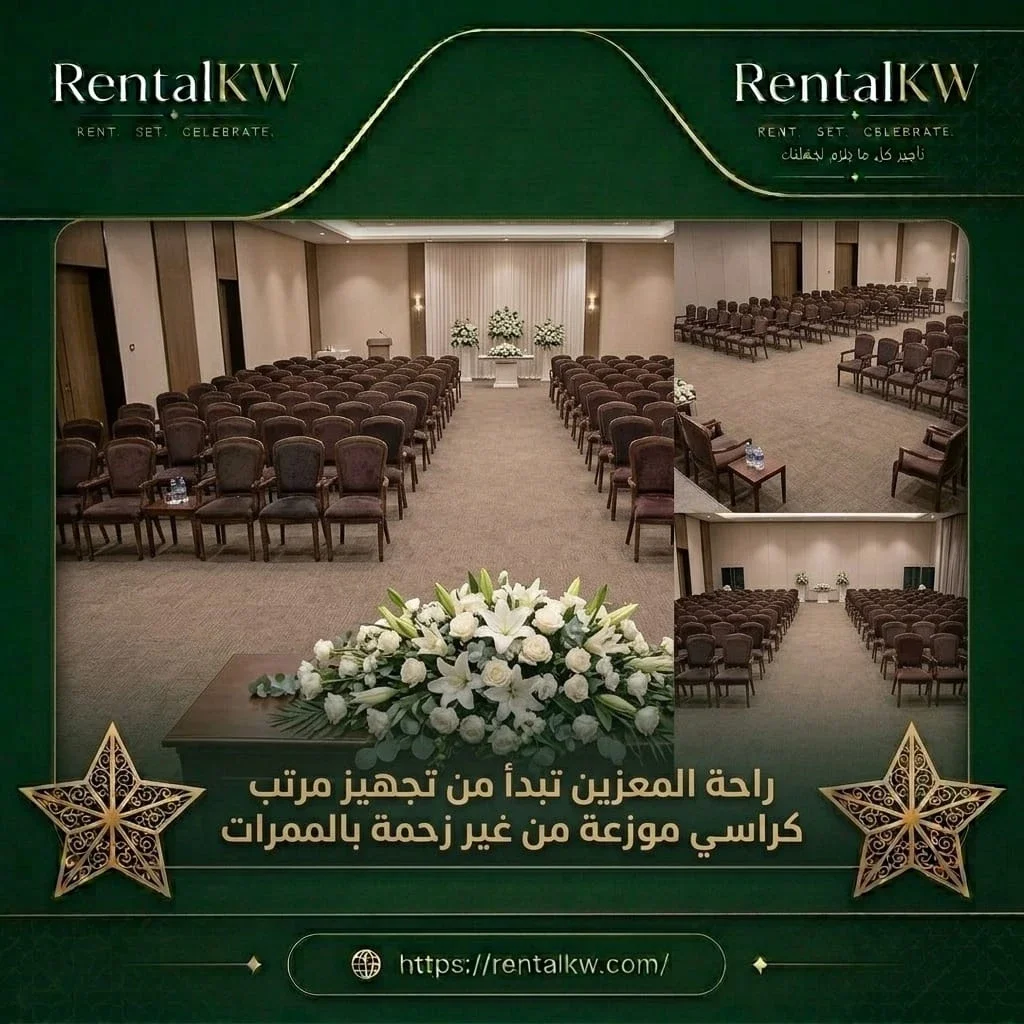
Choosing funeral chairs for small spaces requires a careful balance between chair dimensions, seating comfort, and accessibility. A small gathering area does not necessarily mean using the smallest chair available because excessively reducing seat size may make sitting uncomfortable for certain mourners.
The selection process begins by measuring the space available for chairs after identifying permanent furniture, entrances, and walkways that must remain clear. The dimensions of different chair designs can then be compared to determine which option allows a practical arrangement without interfering with normal use of the room.
Chairs without armrests may help reduce the width required for seating in certain layouts compared with other designs, but the actual result depends on measurements. Stackable chairs may also be useful when spare seats need to be stored outside the main seating area.
A common mistake is attempting to use every part of the available space for an additional chair. The quantity may appear suitable when the seats are empty, but movement can become difficult when mourners actually occupy them.
In some situations, reducing the number of chairs inside the room while organizing attendance more effectively may be preferable to increasing seating at the expense of movement. The decision should reflect the nature of the gathering and venue requirements rather than simply attempting to achieve the highest possible seat count.
Using a consistent chair design can also help simplify arrangements and maintain a coordinated appearance, provided that this does not overlook the needs of people who require different seating options.
When choosing funeral chairs for small spaces, consider the following:
-
Compare the actual width of different chairs: Measure how much space each chair occupies when placed beside other seats rather than relying on photographs because small differences in width may affect the final arrangement
-
Avoid unnecessary protruding components: Examine armrests bases and backrest designs when comparing options because some details may increase the space required without providing a meaningful benefit for the gathering
-
Determine essential seating before spare seating: Provide the number of chairs that can be used appropriately within the room and then consider how additional chairs will be handled instead of placing every available seat inside the space from the beginning
-
Use stackable designs when available: Choose chairs that allow organized storage if spare seating is needed while following the supplier's permitted stacking methods and avoiding practices that could cause damage or create hazards
-
Test ease of sitting after completing the arrangement: Make sure a person can reach the chair sit down and stand up without colliding with neighboring seats because the number of chairs that physically fit does not always equal the number that can be used appropriately
-
Keep walkways and exits clear: Do not sacrifice required circulation routes to add more seats because organizing a small space depends more on safe practical use than on increasing the quantity of furniture
Choosing Funeral Chairs Based on Sitting Duration
Choosing funeral chairs based on sitting duration helps determine which characteristics deserve priority when comparing available seating options. Someone who sits for a short period may evaluate a chair differently from a member of the deceased's family who needs to remain in the gathering for longer while receiving mourners.
For short-term use, ease of sitting down and standing up, along with chair stability, may be among the most important practical considerations. As sitting duration increases, it becomes more useful to pay attention to back support, seat depth, seating surface, and the ability to change body position without discomfort.
However, there is no fixed sitting duration that makes a particular chair type suitable for everyone. One person may feel comfortable on an unpadded chair while another prefers cushioning. Individual differences in height, weight, and sitting habits also influence the experience.
It is important to distinguish between how long one person sits and how long a chair is used throughout the day. The same chair may be used by many mourners for successive short periods, making cleaning, durability, and overall condition important even if no individual remains seated for very long.
Seats reserved for family members may require a more careful assessment of comfort because the expected duration of use may be longer. Different chair types can be allocated according to their purpose instead of relying on a single design for every area of the gathering.
This approach also affects the budget. It may be more appropriate to direct part of the setup cost toward chairs that better suit extended sitting where they are genuinely needed rather than selecting the most expensive type for every seat without distinction.
When choosing funeral chairs based on sitting duration, consider the following:
-
Identify the groups who will remain seated longer: Determine which chairs are intended for family members or people expected to remain for extended periods so designs can be selected according to their actual use rather than distributing chairs without considering different needs
-
Give greater importance to back support during extended sitting: Compare backrest designs and how well they suit the body's position because comfort during a brief chair test may not reflect the experience of using it for a longer period
-
Choose easy-to-use chairs for frequently changing occupants: Prioritize frame stability and ease of standing up in areas where mourners arrive and leave continuously because repeated use differs from uninterrupted sitting by one person
-
Review padding quality according to intended use: Do not assume that thick cushioning is necessary for every seat but evaluate its condition and suitability for people who will use chairs for different lengths of time
-
Distinguish comfort from durability when comparing chairs: Choose seating that provides suitable comfort while being capable of withstanding the expected use according to its specifications and condition because a comfortable chair is not automatically the best option for repeated use over several days of mourning
-
Allocate the budget according to genuine priorities: Consider providing chairs better suited to extended sitting in areas where they are needed rather than paying additional costs for every chair when there is no clear difference in the needs of those using them
Conclusion
Choosing the best funeral chairs for comfort and organization depends on understanding the needs of the gathering and the people who will use the seating. Padded chairs may be suitable for certain situations involving extended sitting, while plastic chairs offer practical options when easy cleaning, transportation, and rearrangement are priorities. However, the quality of any chair type cannot be determined from its material alone without examining the design, overall condition, and stability.
Careful selection becomes particularly important when preparing seating for elderly guests, indoor gatherings, or small spaces. In these situations, ease of sitting down and standing up, protecting flooring, and accessibility may be more important than external appearance or the total number of available chairs.
Good organization also involves more than arranging seats in rows. It includes selecting chairs appropriate for the reception process, keeping walkways clear, and making movement easier for mourners. Using more than one type of chair may be practical when seating needs differ within the same gathering.
When comparing funeral chair rental quotations, it is preferable to consider chair condition, comfort features, and included setup services rather than relying on the lowest price alone. The right choice provides comfortable seating, calm organization, and respect for the solemn nature of the occasion without adding expenses that offer no genuine benefit.
Frequently Asked Questions
What are the best types of funeral chairs for comfort?
No single chair type suits every gathering. Comfort depends on seat height and depth, backrest design, frame stability, and the condition of any padding. It is preferable to test the chair or review its actual specifications before choosing the required quantity.
Are padded chairs better than plastic chairs for funerals?
Padded chairs may provide a different seating experience that suits some people during extended sitting, while certain plastic chairs offer advantages in cleaning and transportation. The choice depends on the nature of the gathering, duration of use, and design quality rather than the chair material alone.
Which chairs are suitable for elderly guests at funeral gatherings?
Stable chairs that are easy to sit on and stand up from are preferable, with an appropriate seat height and suitable backrest. Armrests may help some people, but individual needs vary, so one design should not automatically be considered suitable for every elderly guest.
Are plastic chairs suitable for indoor funeral gatherings?
Yes, they can be used when they are in good condition and suitable for the gathering and flooring. Chair legs should be stable, with no cracks or uncomfortable edges, and sensitive flooring should be protected when necessary.
How do I choose funeral chairs for small spaces?
Start by reviewing the actual chair dimensions and selecting a design that allows seats to be arranged without restricting access. The number of chairs should not be increased at the expense of walkways or ease of sitting and standing, even if additional seats could theoretically fit.
Are padded chairs necessary when mourning continues for several days?
Not necessarily. The most important considerations are how long people will remain seated and how the chairs will be used. It may be appropriate to provide more comfortable seating for those who sit for extended periods while using other suitable types in reception areas where visitors remain seated briefly.
What should I inspect before renting funeral chairs?
Check chair stability, the condition of the legs and connections, seat and backrest condition, and cleanliness. It is also advisable to confirm dimensions, services included in the rental quotation, and the arrangements for handling any chair found to be unsuitable upon delivery.
Does choosing more expensive funeral chairs guarantee better comfort?
No. A higher price does not necessarily guarantee greater comfort because costs may be influenced by design, material, quantity, and accompanying services. It is better to compare actual specifications, test the seating experience, inspect chair condition, and choose what suits the gathering and budget.