
How to Choose the Right Wedding Stage Design

In this article
- Choosing a Wedding Stage Design
- Modern Wedding Stages
- Classic Wedding Stages
- Acrylic Wedding Stages for the Bride
- Natural Flower Wedding Stages
- Wedding Stages with LED Lighting
- Choosing a Wedding Stage Based on Venue Size
- Coordinating the Stage with the Wedding Theme
- Designing the Bridal Stage Backdrop
- Best Wedding Stage for Your Event Decor
Choosing a wedding stage does not begin by finding a beautiful photo on your phone and trying to reproduce it exactly inside the venue. A successful design is one that suits the event space, the bridal platform, the decor colors, photography angles, backdrop size, and the surrounding decorative elements. A modern wedding stage may look outstanding in one venue but lose much of its impact in another because its proportions, colors, or arrangement do not suit the space. Therefore, answering the question how to choose the right wedding stage design starts with understanding the venue and wedding theme first, followed by selecting the style, backdrop, materials, lighting, and floral elements that are actually available. This approach makes the stage an integrated part of the wedding instead of a separate decorative feature.
Choosing a Wedding Stage Design

Choosing a wedding stage design begins with deciding what role the stage will play within the complete visual scene. It is usually one of the most prominent elements in photographs and in the guests' field of view, so the decision should not be based only on the number of details or the overall size of the decor. A visually strong wedding stage can sometimes be simpler than a more crowded design because its success depends on proportion and focus rather than the quantity of decorative elements.
The first practical decision is to identify the focal point. Will the backdrop itself be the main feature, or will the focus be on flowers, geometric forms, lighting, or a carefully balanced combination of several elements? When every detail is equally strong, the design begins to lose its visual hierarchy. The eye needs a clear starting point before moving naturally toward secondary details.
The actual dimensions of the venue come next. It is not enough to know whether the hall is large or small because the stage position, available width and height, and its relationship with tables and walkways all influence the design. The actual installation should also suit the venue and the equipment being used, while any structural or mounting requirements should be reviewed by qualified responsible professionals when necessary instead of assuming that every design seen in a reference image can be reproduced in every venue.
Another common mistake is selecting the stage before finalizing the wedding colors or understanding the style of the tables and surrounding decor. The wedding stage does not exist independently. It is part of the complete scene and should become a point of strength within it rather than an element competing with everything around it.
When choosing a wedding stage design, it is preferable to:
• Begin by identifying the element that should become the main focal point behind the bride instead of combining flowers lighting geometric forms and decorative pieces at the same visual intensity because a clear center makes the design more organized both in person and in photographs
• Consider the dimensions of the area allocated to the stage and its position in relation to guests and walkways before approving the concept so a backdrop is not selected that is too wide or deep for the actual available space
• Review the design from expected photography angles rather than only from directly in front of the stage because some details may appear balanced at close range but become distracting or disproportionate in wider wedding photographs
• Select the level of detail according to the personality of the wedding itself so if the overall decor is calm a visually clean stage may be more harmonious than a heavily decorated design even when the latter looks more impressive in isolation
• Use reference images to communicate the desired taste and direction rather than treating them as guaranteed models for exact reproduction because differences in venue dimensions and available equipment may require the idea to be redesigned
• Confirm the materials decorative elements and colors that are actually available before approving the final appearance so the decision is based on a design that can genuinely be executed rather than details that exist only in a reference image
Modern Wedding Stages
Modern wedding stages usually rely on clear lines, controlled visual detail, and enough space for individual elements to stand out instead of filling the backdrop with excessive decoration. However, modern does not mean empty or excessively simple. A stage can still be visually rich while remaining modern when its composition is organized, its color palette is controlled, and the different elements have a clear relationship with one another.
One of the main strengths of the modern style is its ability to create a strong focal point through shape, proportion, and negative space. Depending on the available equipment, a design may use a geometric backdrop, layered forms, transparent elements, carefully planned lighting, or limited floral arrangements placed in strategic locations. The value comes not from the number of pieces but from how every piece relates to the surrounding composition.
Color is equally important. Using many shades is not a requirement for creating a luxurious scene. In many cases, a limited palette connected with the furniture, tables, and floral arrangements creates a stronger result than adding numerous colors without a consistent direction.
When selecting a modern design, it is also important to understand that simplicity can expose mistakes rather than hide them. When there are fewer elements, proportions, alignment, negative space, and lighting become more noticeable. A modern stage therefore requires precise planning rather than randomly reducing decorative details.
When choosing modern wedding stages, it is preferable to:
• Build the design around a clear composition with an identifiable visual beginning and end instead of distributing contemporary shapes randomly simply because they look modern because successful contemporary design depends on a clear relationship between lines spaces and decorative elements
• Limit the number of primary colors and connect them with the overall wedding palette so the stage appears to extend naturally from the venue and tables rather than looking like an independent scene transferred from another design
• Treat negative space as part of the composition and avoid feeling that every section of the backdrop must be filled because visually calm areas help emphasize the bride and primary features while creating greater clarity in photographs
• Use transparent geometric or illuminated elements only when they serve the concept and confirm the specifications of the elements actually available rather than assuming a particular material thickness or technical characteristic that has not been verified
• Review the composition in a wide view that includes the stage and surrounding space because modern design depends strongly on proportion and an element that looks appropriate alone may appear too large or too small inside the actual venue
• Resist adding new details to every empty area after the design is complete because one of the strengths of a modern wedding stage is visual discipline and unnecessary additions can turn organized simplicity into clutter
Classic Wedding Stages
Classic wedding stages usually have a more decorative and detailed presence than many modern designs, but a successful classic style does not mean collecting the largest possible number of luxurious elements. The main idea is to create a balanced scene with a formal and elegant character while keeping the bridal platform visually clear and preventing the backdrop from becoming so crowded that it is difficult to read.
Depending on the design and available elements, a classic direction may use clear symmetry, decorative frames, architectural-inspired details, or fuller floral arrangements. However, these features should remain proportional to the venue. A design that requires significant visual presence may appear compressed in a limited space, while a small stage can visually disappear inside a large hall.
The relationship between the stage and the surrounding furniture should also be considered. If the tables, chairs, chandeliers, or other decorative features already contain strong detail, repeating the same level of ornamentation heavily within the stage can make the overall scene feel visually heavy. It is usually better to select details that connect the stage with the overall character without repeating everything.
A successful classic stage is not measured by how old the inspiration is or how much gold and ornamentation it contains. Its strength comes from creating a coherent scene that remains elegant both in person and in photographs.
When choosing classic wedding stages, it is preferable to:
• Determine the desired degree of classic styling from the beginning because there is a difference between a calm formal design and a composition rich in decorative detail and knowing the intended direction prevents elements from being added that do not belong to the main personality of the stage
• Use symmetry when it supports the design rather than applying it rigidly to every feature because some compositions require visual balance without becoming exact mirror images on both sides
• Connect decorative details with elements already present in the venue or wedding theme so the stage appears to belong to the overall identity of the celebration rather than using luxurious ornamentation that has no relationship with the surrounding scene
• Control the density of flowers frames and backdrop elements so the bride's seating area remains visually clear and surrounding details do not become the main competitor for attention in photographs
• Consider the size of the venue and the distance from which guests will view the stage because extremely small details can disappear from a distance while oversized features may overwhelm limited spaces
• Evaluate the final appearance together with lighting furniture and surrounding backdrops instead of judging the stage in isolation because classic styling depends on harmony between multiple elements rather than a single decorative piece
Acrylic Wedding Stages for the Bride
Acrylic wedding stages for the bride can be suitable for couples looking for a visually light design that allows the backdrop, lighting, and floral elements to remain visible without making the stage appear closed or heavy. However, the word acrylic alone does not fully describe the design, and no particular thickness, transparency, load capacity, or technical specification should be assumed from the name. The characteristics of the actual available elements should be confirmed before the design is approved.
The visual value of acrylic elements often appears when they are used as one part of an integrated composition rather than turning every detail of the stage into a transparent surface. Depending on the available design, a transparent element may be combined with a calm backdrop, flowers, or controlled lighting so the composition retains visual depth instead of becoming difficult to distinguish.
The surrounding environment also has a major influence on how acrylic appears. The background behind a transparent feature, surrounding colors, and light reflections all become part of the final result. A design that looks highly attractive in a reference image can therefore have a different effect in another venue because of differences in lighting, wall colors, or details visible behind the transparent surfaces.
Acrylic should also not be selected simply because it is associated with contemporary styling. If the wedding theme is highly classic and detailed, the acrylic elements may require a different treatment to ensure they do not appear disconnected from the rest of the scene.
When choosing acrylic wedding stages for the bride, it is preferable to:
• Determine the role that each acrylic element will perform within the design whether it forms part of the backdrop becomes a decorative feature or creates a visual layer within a larger composition instead of using transparency as an isolated concept unrelated to the rest of the stage
• Understand what will remain visible behind transparent elements before approving their positions because walls curtains lighting or even movement behind the stage can become visible parts of the scene through the acrylic
• Test how the actual lighting interacts with the element because reflections can change its appearance from one angle to another and the design should not be judged only from a drawing or reference image
• Confirm the specifications and installation requirements of the available elements rather than assuming a particular thickness durability or technical property simply because they are described as acrylic because products and equipment can vary
• Combine transparent elements with other surfaces or materials when the design requires greater visual depth so the stage does not appear flat or lose definition against a background with similar colors and lighting
• Review the stage from guest viewing positions and photography angles because acrylic interacts differently with light and its surroundings depending on the viewing direction and reflections may appear that were not obvious from the front
Natural Flower Wedding Stages

Natural flower wedding stages create a living visual character that is closely connected to the flowers themselves, their shades, and the way they are arranged. However, the success of this type of stage depends less on the total quantity of flowers than on choosing a floral palette that suits the design, season, and environment of the event. Availability of specific varieties and colors should also be treated as dependent on season and supplier conditions, and a particular flower or exact shade should not be guaranteed before actual availability has been confirmed.
From a design perspective, natural flowers can become the primary focal point or work as a connecting element between different parts of the backdrop. If the stage already includes geometric forms, lighting, and several materials, using flowers selectively may be more powerful than covering the entire backdrop. In another design, larger floral compositions may become the defining personality of the stage.
Flower colors should also be considered under the actual event lighting. Certain shades can appear different under different types of light, so floral colors should not be selected independently from the lighting plan and overall wedding theme.
The final condition of natural flowers also depends on several variables including variety, season, transportation conditions, and the surrounding environment. A realistic selection process is therefore more reliable than building the complete stage around a rare flower whose availability has not been confirmed.
When choosing natural flower wedding stages, it is preferable to:
• Develop a floral color palette that allows for closely related alternatives rather than making the success of the complete design depend on a single flower variety whose availability may change according to season or supplier conditions
• Decide whether the flowers will become the primary feature of the stage or a supporting element because this determines their density and their relationship with the backdrop lighting and other materials
• Coordinate floral shades with the venue colors tables and surrounding fabrics rather than matching them only with the bride's dress so the complete scene remains coherent in wide photographs of the wedding
• Consider venue conditions and preparation timing when planning natural flowers because their living nature means their condition depends on the variety environment and handling and broad guarantees should not be made without considering these variables
• View color samples or a suitable color reference under lighting similar to the wedding environment whenever possible because floral shades can appear different under natural light and the lighting used inside the venue
• Allow room for suitable substitutions when confirming the final order so the design can maintain its overall personality if the availability of one variety changes rather than forcing the entire stage concept to be redesigned because of one element
Wedding Stages with LED Lighting
Wedding stages with LED lighting allow light to become part of the design itself rather than serving only to illuminate the backdrop. Depending on the available equipment, lighting can define lines, emphasize layers, create visual depth, or direct attention toward a main feature. The concept succeeds only when the lighting is controlled so it supports the bride and backdrop rather than becoming the brightest and most dominant feature in the photograph.
The term LED covers a broad range of equipment and does not define the fixture type, output, or operating characteristics by itself. The equipment actually available should therefore be understood instead of assuming fixed specifications. A design based on precise illuminated lines is different from one using fixtures to emphasize an entire backdrop even though both may be described as LED wedding stages.
Photography is an important consideration. Lighting that looks attractive to the eye may need to be balanced within the complete scene so it does not overpower backdrop details or make certain areas more prominent than intended. The stage should therefore be tested after the primary elements have been installed rather than testing lighting fixtures independently.
The power source and connection routes should also be planned from the beginning, with electrical loads reviewed by a qualified professional when necessary, instead of adding lighting at the final stage of the design and then searching for a way to power it.
When designing wedding stages with LED lighting, it is preferable to:
• Define the purpose of every illuminated element within the backdrop before selecting it so each light is responsible for emphasizing a specific line layer or area rather than adding numerous LED fixtures without a clear design function
• Test lighting levels together with the backdrop floral features and bridal seating area because a light that appears appropriate on its own may become excessively strong after all other details are installed
• Confirm the actual equipment available and its specifications rather than assuming fixed brightness color or operating characteristics for everything described as LED because products can vary considerably
• Plan electrical routes and connections before the backdrop is installed so visible cables or temporary solutions do not appear after the stage is complete simply because operational planning was delayed
• Review the scene from the primary photography angles because illuminated elements can appear differently on camera compared with how they are perceived directly inside the venue
• Keep the bride as the primary focal point and do not allow the illuminated backdrop to become the most visually dominant feature simply for the sake of creating a stage with a strong lighting effect
Choosing a Wedding Stage Based on Venue Size
Choosing a wedding stage based on venue size is one of the most important decisions for preventing the design from appearing too large or too small for its surroundings. However, size does not simply mean the total square footage of the hall. What matters is the actual area available for the stage and its relationship with walkways, tables, the bridal platform, and the distance between the stage and guests.
In smaller venues, controlling depth is particularly important because an excessively deep backdrop can consume space needed for movement or seating. In a large venue, by contrast, the stage may need enough visual presence to avoid disappearing within the surrounding open space. There is no universal formula for the ideal stage size because venue shape, ceiling height, and furniture distribution all influence the result.
Height is equally important. A tall backdrop may work well in one venue but appear compressed in a lower hall or interfere with existing ceiling features. The dimensions of the actual stage area and any venue restrictions should therefore be understood before the design is finalized.
It is also a mistake to assume that venue size automatically determines whether the stage should be simple or luxurious. A smaller venue can accommodate a rich design when proportions are controlled, while a larger hall may benefit from a visually calm design that has been carefully scaled.
When choosing a wedding stage based on venue size, it is preferable to:
• Measure the actual area allocated to the wedding stage instead of relying on the total hall size because tables walkways and service zones can significantly reduce the space genuinely available for installation
• Consider backdrop width depth and height together because focusing only on width can produce a design that fits the wall while consuming more circulation space than the venue can comfortably provide
• View the stage from the farthest expected table or guest viewing position so it is possible to judge whether details remain visible and balanced for people who are not seated close to the platform
• Consider ceiling features walls entrances and other existing elements around the installation area and avoid approving a specific height or shape before confirming that it suits the venue and installation requirements
• Avoid using size as a substitute for design in large halls because simply increasing backdrop dimensions does not guarantee stronger visual presence while a carefully planned composition can create greater impact with fewer elements
• Preserve movement and service areas and do not allow the wedding stage to occupy space the event genuinely needs because a successful design should improve the venue rather than make it more difficult to use
Coordinating the Stage with the Wedding Theme
Coordinating the stage with the wedding theme means translating the overall concept of the celebration into backdrop details without repeating every element found elsewhere in the venue. If the theme uses particular colors, a modern or classic style, or a nature-inspired atmosphere, the stage should communicate that personality clearly without necessarily using every symbol, color, or material present throughout the decor.
A strong starting point is to establish a defined palette of colors and materials. Choosing a primary color together with one or more supporting shades helps prevent the design from becoming visually scattered. The stage elements can then be selected, including flowers, geometric lines, lighting, and the materials actually available.
It is also important to remember that the theme appears in wide photographs of the complete celebration rather than only in the stage. If the backdrop is completely different from the tables, walkways, and surrounding flowers, it may appear to belong to another event even if it is attractive by itself.
Coordination does not require exact duplication. In some cases, using a different shade of the primary theme color or repeating a geometric shape in a simpler form gives the stage its own identity while maintaining a clear visual connection with the rest of the wedding.
When coordinating the stage with the wedding theme, it is preferable to:
• Select two or three elements from the wedding identity that can be repeated within the stage rather than transferring every theme detail into the backdrop because a controlled selection preserves the visual connection without creating clutter
• Establish a clear color palette before choosing flowers backdrops and lighting so later decisions remain connected to one reference instead of selecting each element only because it looks attractive on its own
• Repeat selected shapes or materials from the wider event in a controlled way so guests feel continuity between the stage and the rest of the venue without every area becoming an identical copy
• Review the wedding stage within a view that includes tables walkways and surrounding decor because genuine coordination becomes clear when the elements are seen together rather than when the backdrop is evaluated alone
• Use intentional contrast when appropriate such as a lighter or darker variation of the primary color so the stage retains enough visual presence without disappearing into the surrounding decor
• Avoid introducing an entirely new design direction on the stage that appears nowhere else in the event unless there is a clear intentional reason because random mixing of different visual personalities weakens the unity of the theme
Designing the Bridal Stage Backdrop
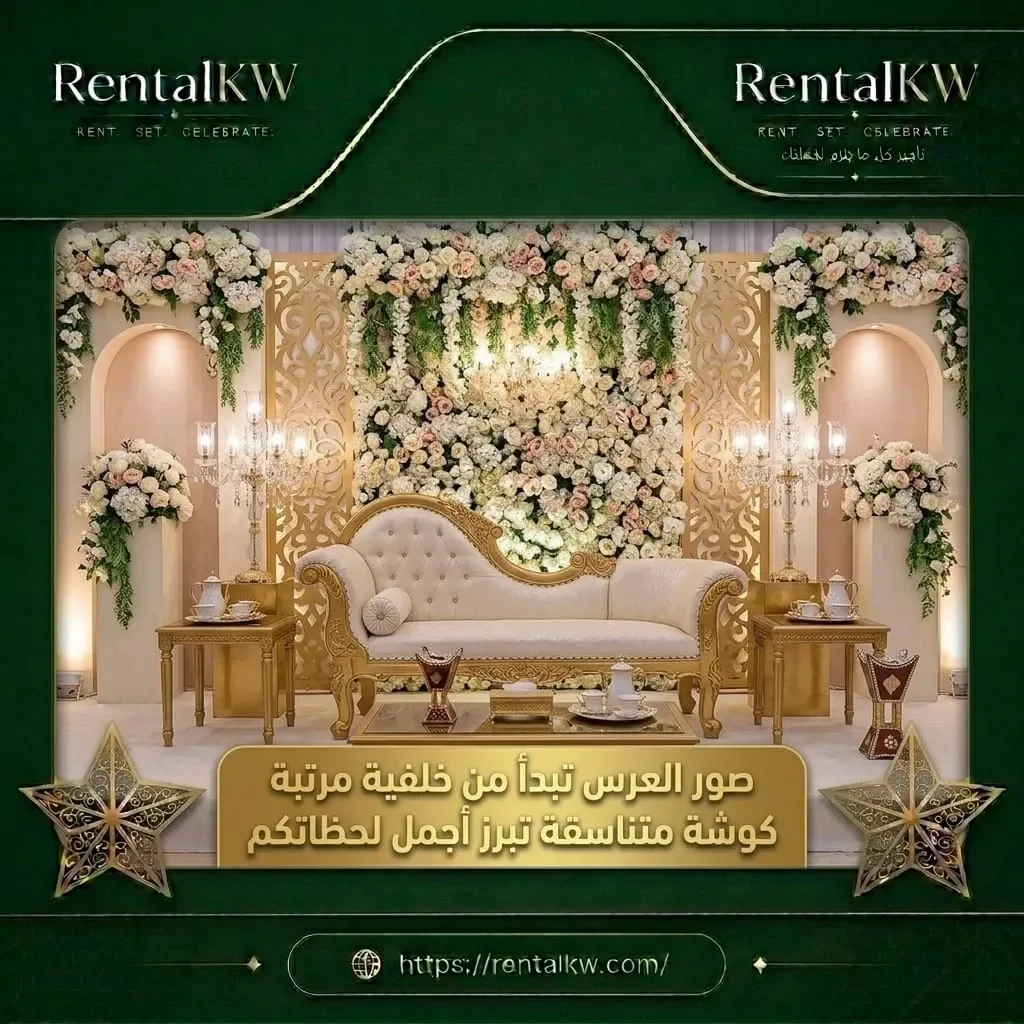
Designing the bridal stage backdrop is central to the visual success of the wedding stage because this is the area that appears directly behind the bride in a large proportion of photographs and video footage. Its success therefore depends not only on the beauty of individual elements but on what appears around the bride when she is sitting or standing in front of it.
One of the most important decisions is the distribution of visual space. Major details should not be concentrated at a level that visually conflicts with the bride's seating position or makes the photograph feel crowded around the head and shoulders. A strong feature can appear above the backdrop, on the sides, or through carefully planned layers depending on the design, but the objective remains to preserve a clear focal point.
Depth can add significant value when used correctly. Instead of placing every element on one flat level, layers can be created according to the available space and equipment. However, that depth should suit the actual stage area and should not consume space required for the platform or movement.
The backdrop should also be considered in both seated and standing situations because the photographic composition changes. A design that looks balanced when the bride is seated may need sufficient height and distribution to remain suitable in standing photographs as well.
When designing the bridal stage backdrop, it is preferable to:
• Leave clear visual space around the bride's seating position so strong decorative details do not collect directly behind the head and turn the backdrop into a competitor with the main subject of the photographs
• Create layered depth when the available space allows instead of placing every material flower and lighting feature on one level because depth can create stronger visual presence without simply increasing the number of elements
• Test the composition visually for both seated and standing positions because the bride's relationship with the backdrop changes between these situations and the scene should remain balanced in different photographs
• Connect the backdrop width with the size of the platform and surrounding area so it does not appear too narrow for the seating arrangement or so wide that it visually overwhelms nearby features
• Position flowers lighting and decorative elements according to the complete visual composition rather than symmetry alone so the bride's area remains the unmistakable center of attention
• Review any special mounting or installation requirements according to the venue and equipment being used and involve qualified responsible professionals when necessary rather than assuming that every backdrop composition can be installed in every venue
Best Wedding Stage for Your Event Decor
There is no single answer to the best wedding stage for your event decor because the meaning of best changes according to the personality of the celebration, venue size, colors, furniture style, and lighting approach. A stage that produces an excellent result in a calm modern wedding may look completely out of place in a highly detailed classic celebration, and the reverse is equally true.
The strongest criterion is integration. When the stage appears to be a natural extension of the venue in terms of colors, proportions, and materials while still maintaining enough presence to function as a main feature, this is usually a sign of a successful choice. If the entire surrounding decor needs to be changed just to make the stage look appropriate, the stage direction itself may not be compatible with the event.
Budget also influences the decision, but it is better used to establish priorities than to collect the greatest possible number of elements. Priority can be given to a strong backdrop first, followed by flowers, lighting, or secondary details according to what best supports it. This is generally more effective than distributing the budget across numerous elements with limited visual impact.
Reference images should help identify personal taste rather than erase the personality of the actual venue. The best design takes the desired idea and reshapes it to suit the hall, theme, and equipment that can genuinely be provided.
When looking for the best wedding stage for your event decor, it is preferable to:
• Define the personality of the event decor using clear descriptions such as calm modern formal classic or soft natural before comparing designs because the selection process becomes easier when the visual direction is understood
• Evaluate how well the stage connects with existing colors materials and furniture instead of judging it as an isolated image because standalone beauty does not guarantee harmony inside the actual wedding
• Prioritize the stage budget according to the elements with the greatest visual impact rather than dividing it equally across numerous details if doing so would weaken the main backdrop or focal point
• Select a design that suits the venue that actually exists instead of trying to transform the entire personality of the location just to accommodate a stage chosen from a photograph taken in a completely different setting
• Confirm the flowers materials lighting and decorative equipment that are genuinely available before making the final decision so the selected concept can be executed with the intended personality
• Consider visual clarity in person and in photographs as an important measure of quality because the best wedding stage is not necessarily the most crowded or most expensive but the one that is most harmonious with the event
Conclusion
Answering the question how to choose the right wedding stage design does not begin by searching for the most expensive design or the most widely shared image. It begins with understanding the personality of the wedding and the venue where the stage will actually be installed. Space, theme, decor colors, bridal platform position, and photography angles all influence whether a modern, classic, acrylic, natural-flower, or integrated-lighting direction will genuinely suit the occasion.
A strong selection process involves several connected decisions. It begins by identifying the focal point, then establishing the appropriate backdrop dimensions, followed by selecting the available materials, colors, floral elements, and lighting. The stage should then be evaluated as part of the complete wedding scene rather than as an isolated photograph.
Most importantly, the best design is not necessarily the one containing the greatest number of details. A simpler stage designed specifically around the venue dimensions and wedding theme can appear more luxurious and visually effective than a huge design that does not suit the space. When every element has a clear function, the stage becomes part of the wedding identity and appears stronger to guests and in photographs without unnecessary clutter or exaggeration.
Frequently Asked Questions
Should the wedding stage be selected before the venue decor?
It is better to develop the main stage and decor decisions within one visual direction because choosing the wedding stage independently from the venue colors, tables, and floral arrangements can result in a design that looks beautiful on its own but feels disconnected from the complete wedding scene.
Are modern wedding stages suitable only for small venues?
No. Modern styling is not limited to a specific venue size. It can work in both small and large halls by adjusting proportions, backdrop scale, and the amount of detail according to the actual space and event layout.
Can a reference image be used to create exactly the same stage?
A reference image is extremely useful for communicating taste, colors, and design direction, but it does not guarantee an exact copy because venue dimensions, mounting points, available materials, and decorative elements may differ. The better approach is to adapt the idea to the actual venue.
Are natural flowers always better than artificial flowers?
There is no universal rule that makes one option better in every situation. The decision depends on the design, budget, desired appearance, actual availability, and event conditions. Natural flower varieties, condition, and availability should be confirmed according to season and supplier availability.
How do I know whether the wedding stage size suits the venue?
The decision should be based on the actual area allocated to the stage together with its width, depth, height, relationship with walkways and tables, and the distance from which guests will view it rather than relying only on the total floor area of the venue.
Does adding more lighting make a wedding stage more luxurious?
Not necessarily. Excessive lighting can compete with the bride or hide important backdrop details. A better approach is to give every illuminated element a specific function and evaluate the result after the complete design has been installed.
Do the stage colors have to exactly match the wedding colors?
Exact matching is not required. Related shades or complementary materials can be used so the wedding stage maintains its own visual identity while remaining clearly connected to the overall event theme.
What is the biggest mistake when choosing a wedding stage?
One of the biggest mistakes is selecting a stage from an isolated photograph before studying the venue, available space, wedding theme, and equipment, and then trying to force that design into the location. The better approach begins with the venue and event requirements and then selects the design that genuinely serves them.