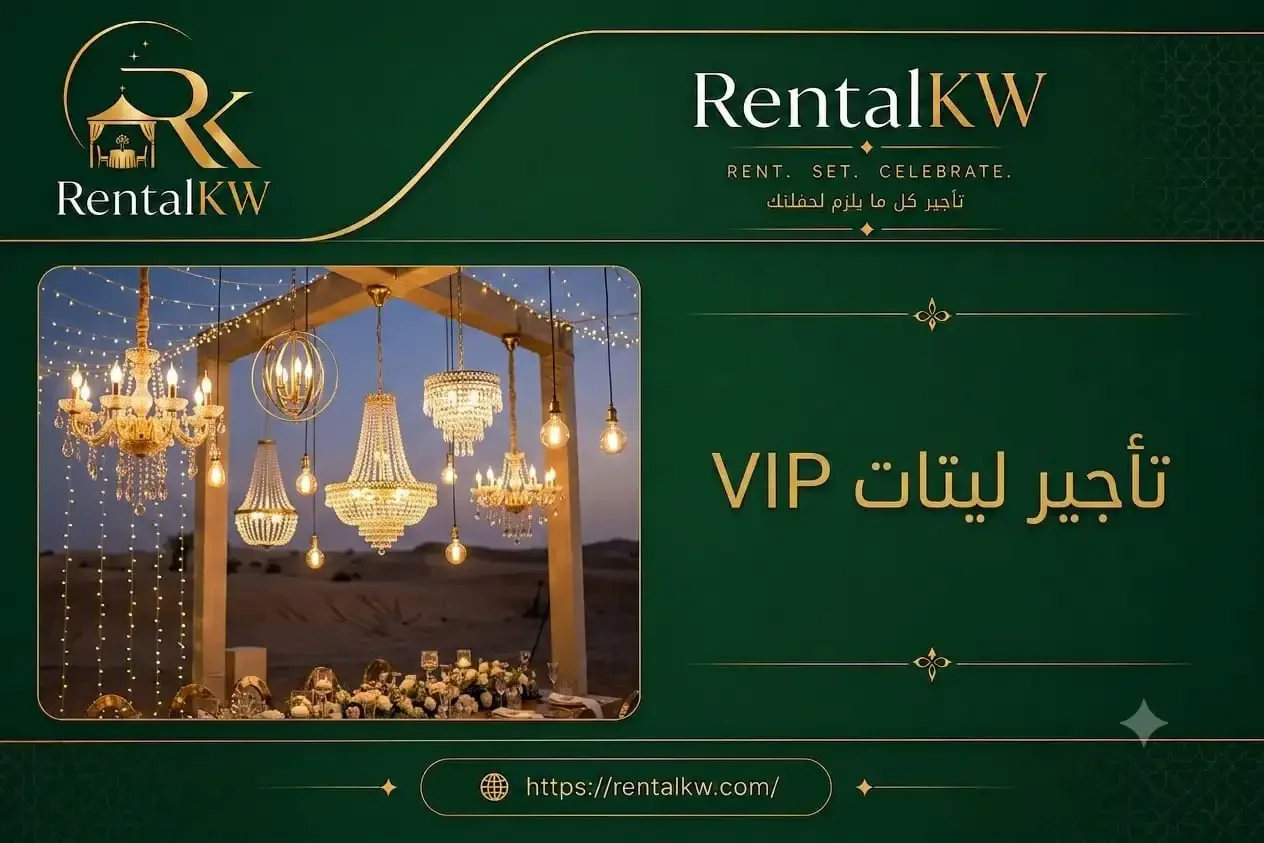
Wedding Stage Rental to Match Your Event Decor

In this article
- Wedding Stage Rental in Kuwait
- Modern Wedding Stages
- Classic Wedding Stages
- Natural Flower Wedding Stages
- Modern Acrylic Wedding Stages
- Wedding Stages with LED Lighting
- Wedding Stages That Match the Event Theme
- Designing a Stage Around the Venue Decor
- Custom Bridal Stage Design
- Booking a Wedding Stage in Kuwait
- Conclusion
- Frequently Asked Questions
Choosing a wedding stage does not begin with selecting a beautiful reference photo alone because a successful design should suit the size of the venue, the event theme, table colors, lighting style, photography angles, and even the way the bride enters the space. From practical wedding setup experience, one of the most common mistakes is choosing an oversized stage for a limited area or selecting a highly detailed design inside a venue that already has strong decorative features. The result is often that the elements compete with each other instead of working together. A better decision starts by understanding the venue first, then defining the personality of the event, and only after that selecting materials, flowers, lighting, colors, and platform dimensions to create a balanced scene that feels comfortable to the eye and looks attractive both to guests and in photographs.
Wedding Stage Rental in Kuwait

When looking for wedding stage rental in Kuwait, it is not enough to choose a design from a ready-made catalog without understanding how it will look inside the actual venue. The wedding stage is usually one of the strongest visual focal points in the entire celebration, so any mistake in its size, color, or placement can affect the whole scene even when the rest of the decor is arranged well.
The first point to review is the width and height of the area allocated to the stage. A design that looks perfectly balanced in a photograph taken inside a large ballroom may feel oversized when installed in a smaller space. The opposite can also happen because a stage that is too small may visually disappear inside a high-ceiling venue or against a very wide background.
From a practical perspective, the bride's position in relation to guests and cameras should also be considered. A sofa or chair placed in the center of the design requires enough surrounding space so the decoration does not appear crowded or restrict movement. The photographer also needs angles that allow complete images to be taken without columns or tall decorative pieces blocking the scene.
Color is another important factor. The stage should not be selected separately from table linens, chairs, carpets, flowers, and lighting. The same color can look very different under warm lighting compared with strong white illumination, so the decision should be based on the final scene rather than an individual material sample.
Pricing is usually affected by the size of the design, materials, flowers, lighting, level of customization, installation time, and whether the package includes transportation, dismantling, and additional accessories. For that reason, proper comparison should focus on what will actually be installed rather than the quoted price alone.
Before booking a wedding stage, it is useful to:
• Provide the venue dimensions or the exact area allocated to the stage so the selected design suits both the width and height and does not appear too large or too small for the space
• Define the main wedding colors before confirming the stage so the design works together with the tables chairs flowers and decor instead of making every element look separate
• Review the shape of the bridal seating and the amount of movement space around it so the area remains comfortable for entering sitting and photography
• Evaluate the design from expected camera angles rather than only from the front because certain elements may look balanced to the eye but appear crowded in photographs
• Ask for a clear explanation of what the price includes such as the backdrop platform flowers lighting transportation installation and dismantling so quotations can be compared fairly
• Agree on the final installation schedule after the main decor elements have been confirmed so the stage does not need last-minute changes to accommodate details that were not considered earlier
Modern Wedding Stages
Modern wedding stages rely more on intentional simplicity than on a large number of decorative elements. The idea is not to create an empty design but to make every piece visually clear and purposeful. A modern stage may use geometric backdrops, clean lines, acrylic, hidden lighting, or a limited floral arrangement rather than several competing decorative layers.
This style works particularly well for weddings built around soft or neutral colors, contemporary themes, and couples who want the venue to appear clean and organized in photographs without excessive visual detail. A modern stage can still look very strong even with a small number of elements when the proportions, materials, and lighting are selected carefully.
A common mistake in modern design is adding more details simply to fill empty space. The result can become an unclear mixture of modern and classic styles where the stage loses its identity. It is usually better to choose one clear visual direction such as arches, vertical lines, or an acrylic backdrop and build the remaining details around that concept.
Materials play an important role as well. Glossy or transparent surfaces react to light differently from wood or fabric, which means they should be tested under the actual venue lighting before the design is approved. Certain reflective materials may look elegant to the eye while producing distracting reflections in photographs when the light hits them from the wrong angle.
The bridal seating should also be treated as part of the stage design rather than as a separate piece placed in front of the backdrop. The shape, height, and color of the sofa or chair affect the visual balance of the stage, especially when the background itself is simple.
When choosing a modern wedding stage:
• Build the design around one clear idea such as arches geometric lines or acrylic instead of combining several different visual directions within the same area
• Reduce unnecessary decoration because the strength of modern styling usually comes from proportion materials and lighting rather than the quantity of decorative details
• Coordinate the bridal sofa or chair with the backdrop in terms of form and color so the seating looks integrated into the design rather than added separately
• Test glossy and transparent surfaces under the venue lighting because reflections can appear very different to the camera compared with direct viewing
• Use floral arrangements in a limited and intentional way when included so they do not cover the clean lines that give the design its modern identity
• Leave enough negative space around the bride because open visual space in modern design helps make her the focal point instead of surrounding her with too many competing elements
Classic Wedding Stages
Classic wedding stages are generally built around balanced luxury and richer decorative detail rather than minimalist lines. They may include ornamental arches, columns, draping, dense floral arrangements, or furniture with a royal appearance. Their success, however, depends on controlling proportions so luxury does not turn into visual overcrowding.
This style suits venues with high ceilings, classic architecture, or celebrations built around ivory, gold, beige, and soft pink tones. It can also work inside a simpler venue when the main decorative elements are appropriately scaled and the design does not attempt to fill every part of the available space.
One of the most common mistakes in classic staging is combining an extremely detailed backdrop with heavily ornamented seating, dense flowers, and strong lighting all at the same time. When every element tries to become the focal point, the scene loses hierarchy and can feel visually exhausting.
For this reason, the desired level of luxury should be defined from the beginning. If the backdrop contains many details, the flowers and seating can be slightly calmer. If the furniture itself is highly decorative, the surrounding design may need to be simpler.
Lighting is particularly useful in classic designs because it can reveal depth. Highlighting columns or arches separately helps the different layers of the stage appear clearly, while flat lighting from one direction can make all the decorative details look like they exist on a single plane.
When selecting a classic wedding stage:
• Define the appropriate amount of detail according to the venue size so large decorative elements do not create visual pressure in a limited space
• Choose one main focal element such as the backdrop seating or floral arrangement and allow the remaining features to support it instead of competing with it
• Coordinate gold ivory beige or any other selected tones with the existing venue decor so the stage does not appear like a separate design placed inside an unrelated setting
• Use lighting to reveal the depth of columns and arches instead of relying on one frontal light source that makes decorative layers look flat in photographs
• Consider ceiling height because some classic designs need enough vertical space to show their full proportions without appearing compressed
• Select bridal seating for comfort as well as appearance because the stage may be used for a long period and visual style should not come at the expense of practical comfort
Natural Flower Wedding Stages
Choosing a natural flower wedding stage gives the celebration a distinctive presence because real flowers provide texture, depth, and detail that are not reproduced in exactly the same way by artificial alternatives. However, working with natural flowers requires more planning than simply choosing a preferred color because flower type, seasonality, venue temperature, and installation timing all affect the final result.
For summer weddings in particular, it is important to remember that some flower varieties are more sensitive to heat and dehydration than others. If the stage is installed many hours before the event in a warm environment, certain flowers may lose part of their freshness before guests arrive. This makes it necessary to choose suitable varieties and coordinate installation timing and care according to the characteristics of the flowers being used.
Quantity does not automatically mean quality either. A design using natural flowers in carefully planned clusters around focal areas may look more luxurious than a backdrop completely covered with flowers but lacking depth or visual rhythm. The relationship between floral groups and open spaces is what creates dimension and prevents the stage from appearing flat.
Flower colors should also connect visually with the bridal bouquet and table decor when these elements appear together in the same scene. Exact color matching is not necessary, but a clear relationship between the color palettes creates a more unified celebration.
From a pricing perspective, natural flowers are influenced by variety, quantity, season, availability, and styling requirements. Some flowers may cost more because they are difficult to source at a particular time, so it is useful to agree in advance on acceptable alternatives if a preferred variety becomes unavailable.
When selecting a natural flower wedding stage:
• Choose flower varieties suitable for the venue conditions and event timing rather than selecting a delicate type only because it looks attractive in reference photographs
• Arrange flowers in intentional clusters with quieter spaces between them so the design develops depth instead of becoming one crowded surface filled with color
• Coordinate floral colors with the bridal bouquet table arrangements and overall decor through a shared palette rather than introducing tones unrelated to the rest of the wedding
• Review installation timing so the flowers remain in good condition during the event and are not exposed to heat or dryness for longer than necessary
• Ask the service provider about suitable alternatives if a specific flower becomes unavailable because the supply of natural flowers can change with season and market availability
• Include floral costs within the full stage design from the beginning instead of choosing a basic stage first and then adding flowers randomly at the end of the budget
Modern Acrylic Wedding Stages
A modern acrylic wedding stage can create a light and contemporary appearance because of its transparency, reflectivity, and ability to work with lighting, flowers, and geometric forms. However, it also requires precise execution because acrylic reveals finishing quality very quickly. Scratches, marks, fingerprints, or poorly finished edges can become highly visible once the lighting is switched on.
Transparency can be an advantage when the venue already has an attractive architectural background that should remain part of the design rather than being covered completely. On the other hand, if service doors, equipment, or visually distracting elements are located behind the stage, transparent materials can become a disadvantage rather than a benefit.
Lighting also reacts strongly with acrylic. A direct light source positioned at the wrong angle may produce intense reflections in photographs or make certain sections look excessively bright. The design should therefore be tested from both the guest viewpoint and the camera position.
Acrylic can also be combined with lettering, the couple's names, or suspended elements, but it is usually better to avoid turning the backdrop into a collection of numerous transparent messages and decorative pieces. The strength of this style often comes from visual cleanliness.
When selecting an acrylic wedding stage:
• Check the quality of the acrylic panels and ensure visible surfaces are free from noticeable scratches or marks because lighting makes imperfections easier to see on transparent materials
• Review what will remain visible behind the stage before choosing transparency so equipment doors or unwanted background details do not appear in photographs
• Test lighting angles on acrylic from the expected camera positions because a reflection that seems minor to the eye may become much stronger in photographs
• Use lettering and suspended elements in a limited way so the backdrop remains clean and contemporary rather than visually crowded
• Coordinate metal and floral elements with the acrylic so the design maintains a light appearance instead of adding visually heavy materials that conflict with its character
• Clean transparent surfaces shortly before the event because dust and fingerprints are more noticeable on clear and glossy materials
Wedding Stages with LED Lighting
A wedding stage with LED lighting allows light to become part of the structure itself rather than depending only on external fixtures. LED lines can be placed behind arches, within panels, around the couple's names, or used to emphasize depth between different layers. However, the success of this approach depends on controlling brightness and color carefully.
One common mistake is using LED lighting that is so bright that it overwhelms the flowers and background and appears as a glowing hotspot in photographs. The lighting should support the design rather than become the strongest visual element in the entire stage.
Color temperature is also important. If the ballroom uses warm lighting while the stage contains very cold white LED lighting, the platform can appear visually disconnected from the rest of the venue. The lighting temperatures should therefore be coordinated before installation.
Wires and power supplies should ideally be hidden inside the structure so they do not appear from the sides or in closer photographs. Small technical details become especially visible because wedding stages are usually photographed from different distances and angles.
When using LED lighting in a wedding stage:
• Define the purpose of the light first whether it is intended to outline edges highlight lettering or create a glowing background before adding LED strips to multiple areas without a clear reason
• Adjust brightness so the lighting supports flowers and materials instead of making surrounding elements appear excessively dark in comparison during photography
• Coordinate color temperature with the venue lighting or intentionally select a controlled contrast rather than creating a random visual separation between the stage and the rest of the space
• Conceal transformers and cables neatly inside the design while keeping them reasonably accessible for maintenance if needed
• Test the stage through the camera after the LED system is operating because certain flicker reflections or brightness effects may not appear to the eye in the same way they are captured by a lens
• Confirm that the lighting system operates reliably well before the event begins so the first complete test does not happen while the bride and guests are already present
Wedding Stages That Match the Event Theme
Creating wedding stages that match the event theme means making the platform part of the visual story of the celebration rather than treating it as a separate backdrop. The theme may be modern, romantic, traditional, garden-inspired, or built around a particular color, and the stage should reflect that direction through materials, forms, colors, and decorative choices without literally copying every detail found elsewhere in the venue.
Problems appear when the theme is interpreted too literally. If flowers are central to the event, for example, that does not mean the entire stage must be covered in blooms. The theme can also appear through a particular color, the shape of the arches, natural materials, or selected floral accents while the overall design remains balanced.
Because the stage is usually the strongest focal point in the venue, it can carry the most expressive version of the theme while tables, entrances, and other decorative elements remain slightly calmer. This creates a natural visual hierarchy that draws attention toward the bride.
When designing a stage around the wedding theme:
• Identify three or four main visual elements in the theme such as color material shape and flower type instead of attempting to repeat every single decorative detail on the stage
• Allow the platform to become the strongest expression of the event identity while the surrounding decor supports it more subtly so the visual hierarchy remains clear
• Avoid introducing a new dominant color on the stage if it does not already appear in the wedding palette unless it has been intentionally selected as a controlled focal accent
• Connect the stage visually with entrances and tables through a repeated element such as an arch metal finish or flower type instead of copying the exact same design everywhere
• Review the theme under the actual event lighting because some colors and materials may change noticeably in appearance during the evening
• Preserve enough space around the bride and avoid sacrificing comfort and movement simply to add more decorative details that serve only the theme
Designing a Stage Around the Venue Decor
Designing a stage around the venue decor begins by reading the existing architecture and decorative elements before adding anything new. Some venues already include detailed walls, large chandeliers, columns, or attractive backgrounds that can become part of the wedding stage rather than being covered completely.
When the venue already contains strong decorative details, a calmer stage is often the better choice so the visual elements do not compete. A simpler venue, on the other hand, may allow a stronger or taller stage because it will become the main decorative feature in the room.
Stage location within the venue also matters. Doors, service exits, speakers, and walkways should be reviewed before the final width and shape are approved so the design does not look beautiful from the front while creating practical movement or operational problems behind the scenes.
When designing a stage to match the venue:
• Study the existing background and make use of attractive architectural features instead of covering them with a full backdrop the venue does not actually need
• Compare the visual strength of the venue decor with the visual strength of the stage so the platform complements the space rather than creating a collection of competing features
• Review chandelier positions and ceiling height before approving arches or other vertical elements so the lines do not interfere with one another in the final scene
• Identify doors and service routes before defining the width of the stage so staff and guest movement are not unnecessarily restricted
• Test material colors against the venue floor and walls because a shade that looks ideal in a catalog may appear different inside the actual space
• Use existing architectural lighting when it already supports the design instead of adding many additional light sources that the stage may not need
Custom Bridal Stage Design
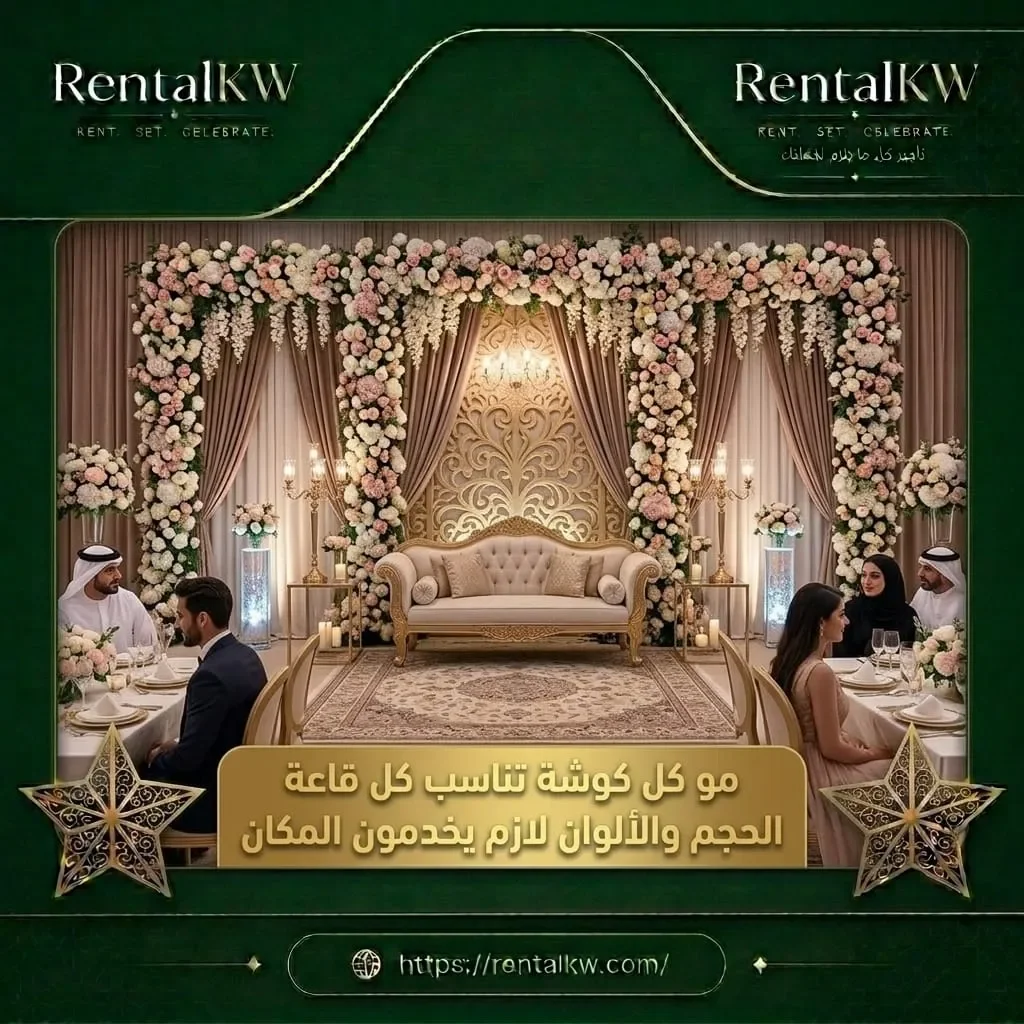
A custom bridal stage design provides greater flexibility when the client has a clear concept, the venue has unusual proportions, or the event theme does not work well with ready-made designs. However, true customization means more than changing the flower color on an existing stage. It involves reconsidering dimensions, materials, seating, lighting, and layout according to the specific event.
The process starts with measurements and then defining what should become the main focal point. This might be the background, the couple's names, a geometric feature, flowers, or a distinctive piece of furniture. The remaining elements can then be developed around that central idea.
A customized design also needs a clear budget because special materials and additional detailing can increase costs quickly. It is better to identify priorities early so the budget is invested in elements that are actually visible and important instead of being spent on small details that guests or cameras may barely notice.
When requesting a custom bridal stage:
• Begin with accurate measurements and site photographs before developing the concept so the design is realistically buildable and does not require major compromises during installation
• Define the most important feature of the stage from the beginning so the budget and decorative details can support that focal point instead of being spread across many equally competing elements
• Agree on the actual materials rather than relying only on reference photographs because color texture transparency and finish can vary significantly between products
• Review the design from both the front and sides because bridal stages are often seen from multiple angles during guest movement and photography
• Establish an approximate budget at an early stage so the concept is developed within realistic limits instead of designing something elaborate and later removing half of its details
• Allow enough professional flexibility for the design team to suggest changes that improve execution safety and visual balance rather than forcing a reference image that does not suit the actual venue
Booking a Wedding Stage in Kuwait
Booking a wedding stage in Kuwait requires a clear process so the final decision is not made too quickly based on one photograph. It is better to begin with the wedding date and venue, then provide measurements or photographs of the stage area and explain the preferred colors, theme, and approximate budget.
Once this information is available, existing designs can be compared or suitable adjustments can be requested. A clear quotation should explain exactly what will be delivered to the venue rather than simply listing the name of the stage. It should show whether the package includes the platform, sofa, flowers, lighting, carpet, transportation, installation, and dismantling.
The installation schedule should also be confirmed because the stage needs to be coordinated with the decor team, lighting team, photographer, and sometimes the venue itself. A delay in stage installation may affect other elements that depend on its final position.
Before confirming the booking:
• Provide the wedding date venue and dimensions of the stage area from the beginning so the service provider can confirm that the design is suitable and can be completed within the required schedule
• Define the theme colors and approximate budget before reviewing options so the proposed designs are closer to the actual need instead of presenting dozens of unsuitable choices
• Request a clear list of everything included in the price such as the backdrop platform sofa flowers lighting transportation installation and dismantling
• Confirm the materials being used when the design depends on acrylic natural flowers or special lighting because material quality directly affects the final result
• Coordinate installation timing with the venue and other suppliers so the stage is ready before the final lighting and photography tests
• Review the modification policy in case decor details change before the wedding so it is clear what can be adjusted and what may result in additional cost
Conclusion
Successful wedding stage rental that matches the event decor is not about choosing the largest platform or the design with the most decorative details. The real objective is to create a stage that looks as though it was designed specifically for the venue itself.
Modern wedding stages rely on proportion, materials, clean lines, and open visual space, while classic stages need careful balance between ornamentation, luxury, and the size of the venue. Natural flowers create a distinctive presence but require appropriate choices according to season, temperature, and installation timing.
Acrylic and LED lighting open the door to highly contemporary designs, but they demand greater attention to reflections, photography, and finishing quality. Any transparent or illuminated surface can become either a major strength or a weakness depending on how it is executed.
The theme matters, but it should not turn into literal repetition across every decorative feature. It is usually better for the stage to carry the strongest expression of the event identity while tables, entrances, and lighting support it more subtly.
The venue itself should also influence the decision. Sometimes the best stage design is one that uses an existing wall or chandeliers instead of hiding them. In other cases, a simple venue benefits from a stronger backdrop that gives the room the character it needs.
A custom design is most useful when the space or concept is genuinely different, but it requires accurate measurements, a defined budget, and clear communication between the client and the execution team.
Ultimately, a successful wedding stage is not simply the one that attracts attention on its own. It is the one that makes the bride the center of the scene, looks beautiful to both guests and cameras, and blends naturally with the entire event from the first glance without appearing as though it was added to the venue at the last moment.
Frequently Asked Questions
How do I choose a wedding stage that suits the venue?
Start with the width of the wall, ceiling height, venue colors, chandeliers, and walkway positions. The size and style of the stage can then be selected so it complements the space instead of competing with it.
What is the difference between modern and classic wedding stages?
Modern stages usually rely on simpler lines, cleaner materials, and more open visual space, while classic stages use more decorative details, ornamentation, and layered elements that need careful proportioning to remain elegant rather than crowded.
Are natural flowers suitable for every wedding stage?
They can be used in many designs, but the varieties should be selected according to venue conditions, temperature, installation duration, and seasonal availability so they maintain their appearance throughout the event.
Are acrylic wedding stages suitable for photography?
Yes, when lighting and reflections are controlled carefully and the area behind the acrylic is visually clean because transparent and glossy surfaces can reveal background details and reflections very clearly in photographs.
Can LED lighting be integrated into a wedding stage?
Yes. LED lighting can highlight edges, lettering, or layered elements as long as brightness and color temperature are controlled, electrical components are concealed, and the result is tested through the camera before the event.
When do I need a custom wedding stage design?
A custom stage is useful when the venue has unusual proportions, the event has a distinctive theme, or ready-made designs do not provide the required dimensions, colors, or materials.
What affects wedding stage rental prices?
Pricing can be affected by size, materials, natural or artificial flowers, lighting, level of customization, platform design, furniture, transportation, installation, dismantling, and any additional decorative elements.
What information is needed before booking a wedding stage?
It is useful to provide the wedding date, venue, stage-area dimensions, venue photographs, theme, preferred colors, and approximate budget so suitable designs can be recommended from the beginning.