
Wedding Table and Chair Rental for Events
In this article
- Wedding Table and Chair Rental in Kuwait
- Napoleon Chairs for Wedding Celebrations
- Tiffany Chairs for Weddings
- Round Tables for Wedding Celebrations
- Reception Tables for the Bride and Groom
- Buffet Tables for Weddings
- Gold and Silver Chairs for Celebrations
- Illuminated Tables for Weddings
- Preparing Guest Seating Areas
- Booking Wedding Furniture
- Conclusion
- Frequently Asked Questions
A successful wedding seating arrangement depends on more than beautiful décor because guest comfort begins with choosing the right tables and chairs and arranging them correctly throughout the venue. This is why wedding table and chair rental for events requires careful planning around the number of guests, seating style, hall or tent dimensions, service requirements, and guest movement. From practical experience preparing wedding celebrations, choosing furniture before creating a seating plan can result in overcrowded areas, wasted space, or difficult service routes. The better approach is to define the purpose and layout of every section first and then select tables and chairs that genuinely support that function while remaining visually coordinated with the overall wedding design.
Wedding Table and Chair Rental in Kuwait
Wedding table and chair rental in Kuwait requires more accurate planning than simply knowing the number of invited guests because the amount of space required by each person changes according to table type, chair arrangement, and the clearance needed for movement. A wedding using large round tables requires a completely different layout from a celebration based on rectangular tables or seating areas distributed across several sections. Furniture preparation should therefore begin with the venue plan rather than a catalogue of available items.
From practical wedding experience, one of the most common problems is attempting to fit the maximum possible number of seats into a limited area. This may initially appear economical because it reduces the number of tables required, but it compresses the seating arrangement and makes it difficult for guests to pull their chairs back or for service staff to move between tables. Wide photographs of the venue will also reveal overcrowded furniture clearly even when each individual chair looks attractive on its own.
The quality of the final arrangement also depends on the condition and consistency of the furniture. Weddings often require large quantities of tables and chairs, which means differences in color, height, finishing, or general condition become immediately noticeable when the pieces are placed together. A coordinated furniture collection usually creates a stronger visual result than combining several different styles simply to reach the required quantity.
When choosing wedding tables and chairs, review:
• The number of guests expected to be seated at the same time rather than relying only on the total number of invitations sent
• The usable hall or tent area after excluding aisles the couple’s platform buffet stations and service zones from the seating area
• The type of tables and the comfortable number of chairs suitable for each one without overcrowding the seating arrangement
• The consistency of furniture heights colors and finishes with the wedding décor and surrounding design elements
• The reasonable number of spare chairs required and whether there is actually enough space to use them if needed
• Delivery arrangement and collection services after the celebration so the complete booking scope is understood from the beginning
Napoleon Chairs for Wedding Celebrations
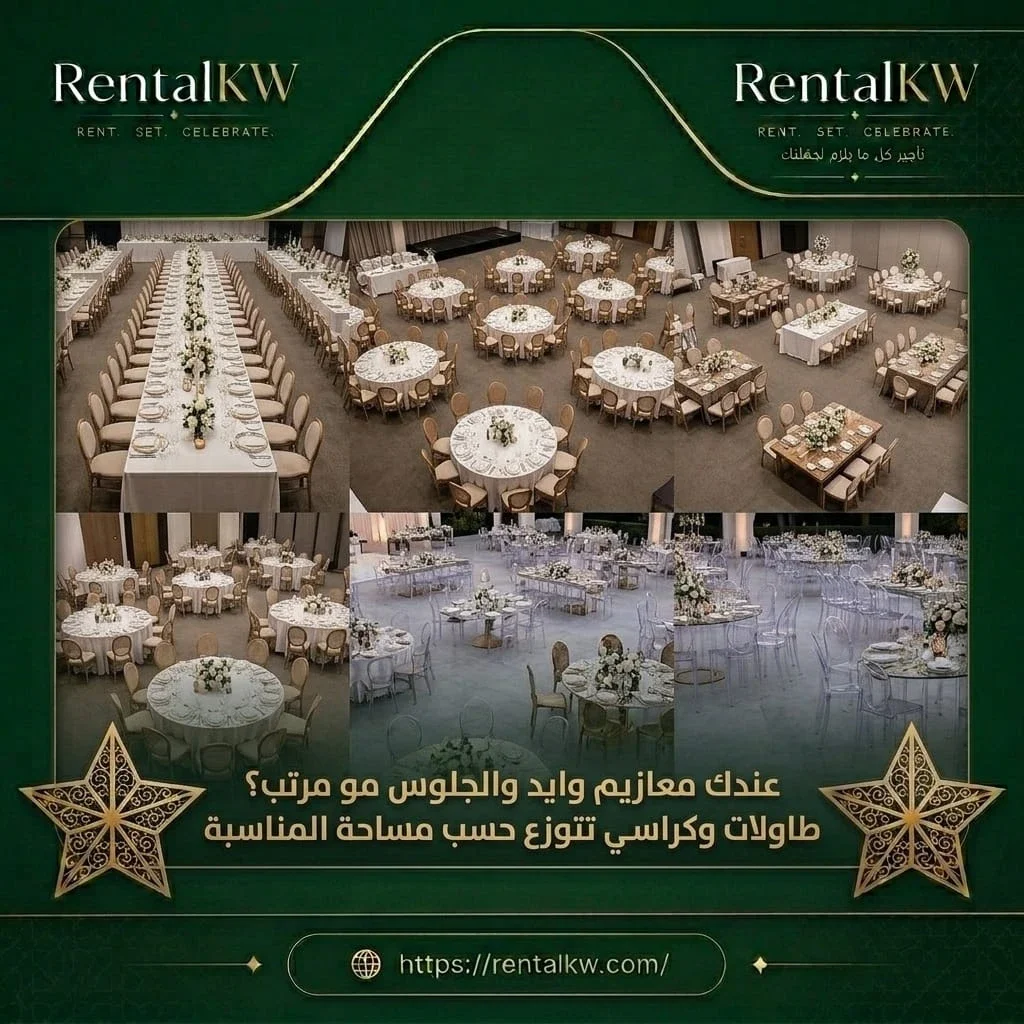
Napoleon chairs for wedding celebrations can create an elegant and formal seating style, particularly when coordinated with round tables and understated decorative backgrounds. However, successful use depends on more than the appearance of the chair itself. Distribution, color selection, spacing between seats, and the condition of all pieces become equally important once a large quantity is arranged throughout the hall.
From practical wedding preparation experience, using Napoleon chairs in every section of the celebration is not always necessary. Their strongest visual value may be around the primary guest tables, while different seating can be used in waiting areas or less visible service sections. This approach maintains the desired appearance in the most important areas without unnecessarily increasing the furniture budget across the entire venue.
The number of chairs around each table also requires attention. Adding two extra seats simply to increase capacity can make the arrangement uncomfortable and reduce movement space. The table dimensions should determine the suitable number of chairs rather than the desire to place the largest possible number of guests in the available area.
When selecting Napoleon chairs, consider:
• The chair color and how well it coordinates with tables linens flowers and surrounding decorative elements
• The condition and consistency of the chairs because large rows make differences in cleanliness or finishing easy to notice
• The appropriate number of chairs around each table according to its dimensions rather than the maximum number that can physically fit
• Guest comfort when pulling out chairs sitting down and moving between neighboring tables
• The areas where this chair style provides the greatest visual value instead of using it throughout sections that receive little attention
• Final alignment after all chairs have been positioned so spacing and directions remain consistent
Tiffany Chairs for Weddings
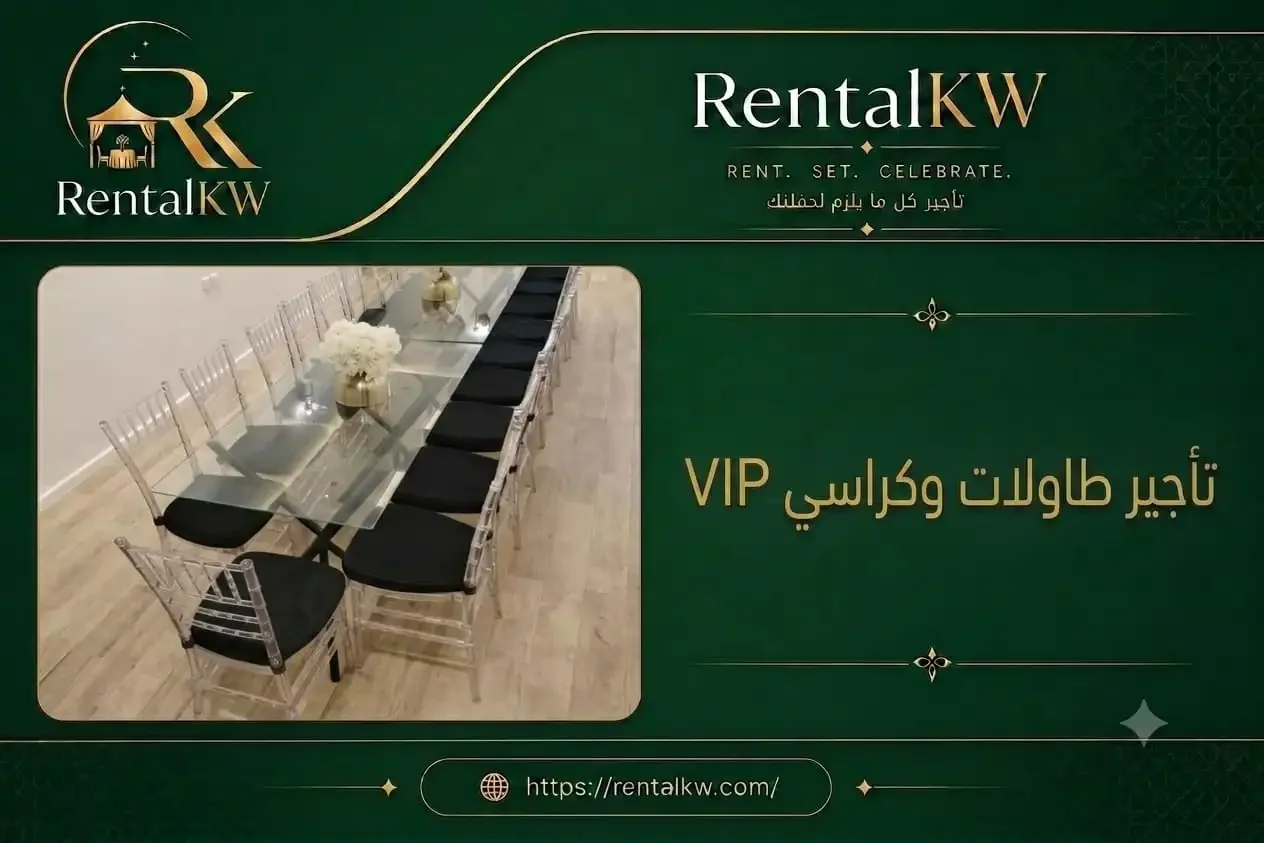
Tiffany chairs for weddings provide a flexible option because they can work with several decorative styles and coordinate with different tables and color palettes. However, selecting them still requires attention to dimensions, color, condition, and the availability of enough matching pieces so that visual variety does not become obvious inconsistency between seating groups.
From a practical perspective, Tiffany chairs are frequently chosen when the couple wants furniture that appears visually lighter than some larger chair styles. This can be particularly useful in halls containing substantial decorative detail because the chairs do not dominate the surrounding scene. However, a lighter visual appearance does not mean that more chairs should be compressed around each table because guest comfort and circulation space remain essential.
Seat cushions and other chair details also affect the overall appearance. Even when the frames share the same color, inconsistent or visibly different cushions can become noticeable in wide wedding photographs. The complete collection should therefore be reviewed rather than inspecting only the chair frames.
When preparing Tiffany chairs for weddings, consider:
• The color that best supports the wedding’s visual identity and its relationship with lighting and background elements
• The condition of seat cushions and seating surfaces and whether they match the chair frames consistently
• The number of matching pieces available so different chair designs do not need to be mixed around the same table
• The spacing required between chairs to support comfortable movement around tables
• Their location within the celebration and how prominently they will appear in wider photographs
• The availability of matching spare chairs in the same style and color
Round Tables for Wedding Celebrations
Round tables for wedding celebrations are commonly used when the goal is to organize guests into clear groups and encourage easier interaction within each seating arrangement. They are among the most familiar choices for weddings, but their effectiveness depends on diameter, chair quantity, and the distance between tables rather than shape alone.
From practical wedding planning experience, a larger table is not automatically a better table. An oversized diameter can consume unnecessary floor space and make conversation across the table less comfortable. At the same time, a smaller table surrounded by too many chairs becomes crowded and reduces guest comfort. The correct size should therefore reflect the actual number of people intended for each group.
The distance between tables also directly affects service movement. Hospitality staff need to pass between seating areas without colliding with chairs after guests have pulled them backward. Space calculations should therefore reflect real use rather than measurements taken only when every chair is pushed tightly under the table.
When choosing round wedding tables, review:
• The table diameter and the number of guests who can sit around it comfortably in actual use
• The distance between neighboring tables after allowing for normal chair movement
• Main circulation routes and the path service staff will use through the hall or tent
• Guest distribution according to families or groups when this forms part of the seating plan
• The table linen and centerpiece dimensions and whether they suit the available tabletop area
• The venue’s ability to accommodate the required quantity without sacrificing essential circulation space
Reception Tables for the Bride and Groom
Reception tables for the bride and groom may be used as part of the entrance arrangement, guest reception process, gift area, or another function connected directly with the couple. Their selection should therefore be based on a clear practical purpose rather than adding a table simply because the entrance appears more complete with one.
From a practical perspective, the wedding entrance is usually one of the busiest areas during guest arrival. An excessively large table can reduce available movement space and create unnecessary congestion. The number of people working around the table and the items that will be placed on it should therefore be identified before choosing its dimensions.
The table design should also coordinate with the entrance, wedding stage, and surrounding décor. A heavily decorated table inside a simple entrance may create visual imbalance, while a restrained design may be more effective when flowers or lighting are intended to provide the main visual focus.
When choosing a reception table, consider:
• The table’s actual function whether it is intended for welcoming guests registration gifts or items associated with the couple
• Entrance dimensions and the importance of preserving a sufficiently wide route for guest movement
• The appropriate table size for the items that will be placed on it without unnecessary excess
• The table style and how well it coordinates with the surrounding décor
• The number of reception points required if the wedding venue has more than one entrance
• How easily the table can be transported positioned and prepared before guest reception begins
Buffet Tables for Weddings
Buffet tables for weddings should be planned according to the type of food, number of serving stations, and expected guest flow rather than table length alone. A buffet is an operational part of the celebration and can become a major source of congestion when positioned poorly or when one serving point is expected to handle a large number of guests.
From practical wedding organization experience, dividing the buffet into multiple stations can sometimes work better than creating one extremely long table, particularly at larger weddings. This distributes guest movement, reduces waiting, and gives the service team more flexibility when replenishing and reorganizing dishes.
Enough working space should also be preserved behind buffet tables. Planning only for the guest-facing side without considering staff movement can make the area difficult to operate during actual service. The buffet should therefore be designed from both sides rather than judged only by its front appearance.
When preparing buffet tables, review:
• The number of food and beverage categories that require separate sections
• Table lengths and their positions in relation to guest circulation routes
• Whether multiple serving stations are needed for a larger number of guests
• The working area required behind the tables for staff movement and replenishment
• Electrical access when serving equipment requires a power supply
• Table linens and front finishing and how well they coordinate with the remaining wedding furniture
Gold and Silver Chairs for Celebrations
Gold and silver chairs for celebrations create a noticeable visual effect, which means they should be selected according to the wedding color palette rather than simply because they appear more luxurious. Gold can coordinate effectively with certain flower colors and warmer lighting, while silver may work better with cooler palettes or more contemporary designs.
From practical experience, a common mistake is selecting the chair color according to an isolated photograph without considering how it will look under the venue lighting. Warm illumination can alter the appearance of silver, while strong lighting may make gold more prominent than expected. The chair color should therefore be evaluated as part of the complete visual design.
The condition of the finish is equally important because variations become easy to see when dozens of chairs are arranged beside one another. The selected collection should have a consistent color and avoid obvious differences between individual pieces.
When choosing between gold and silver chairs, consider:
• The colors of the surrounding décor flowers and table linens
• The type of venue lighting and how it changes the reflection and appearance of the chair color
• The condition of the finish and consistency of pieces used within the same seating area
• The required number of chairs and the importance of avoiding unplanned mixing of different shades
• The areas where a stronger chair color will provide meaningful visual impact
• How well the selected chairs coordinate with tables and the overall wedding stage style
Illuminated Tables for Weddings
Illuminated tables for weddings can be used when the design requires a modern and noticeable feature within specific areas such as reception sections, seating areas, or selected photography corners. They do not need to appear throughout the entire venue to create a strong effect because excessive repetition may cause their lighting to compete with other decorative elements.
From a practical perspective, illuminated tables work best when every table has a defined function. An illuminated table at the entrance may serve as a reception point, while another can become a decorative feature in a side section. Placing them in areas with limited visibility provides little justification for their additional cost.
The lighting should also be coordinated with the venue’s general illumination. A table that appears striking under softer lighting may lose much of its effect when surrounded by extremely bright overhead lights.
When selecting illuminated tables, review:
• The area where each table will be positioned and how visible it will be to guests
• The practical purpose of every table rather than considering appearance alone
• Lighting intensity and whether it coordinates with the venue’s general illumination
• The appropriate dimensions for the surrounding area
• The required operating period throughout the wedding celebration
• Connection installation and collection arrangements after the event
Preparing Guest Seating Areas
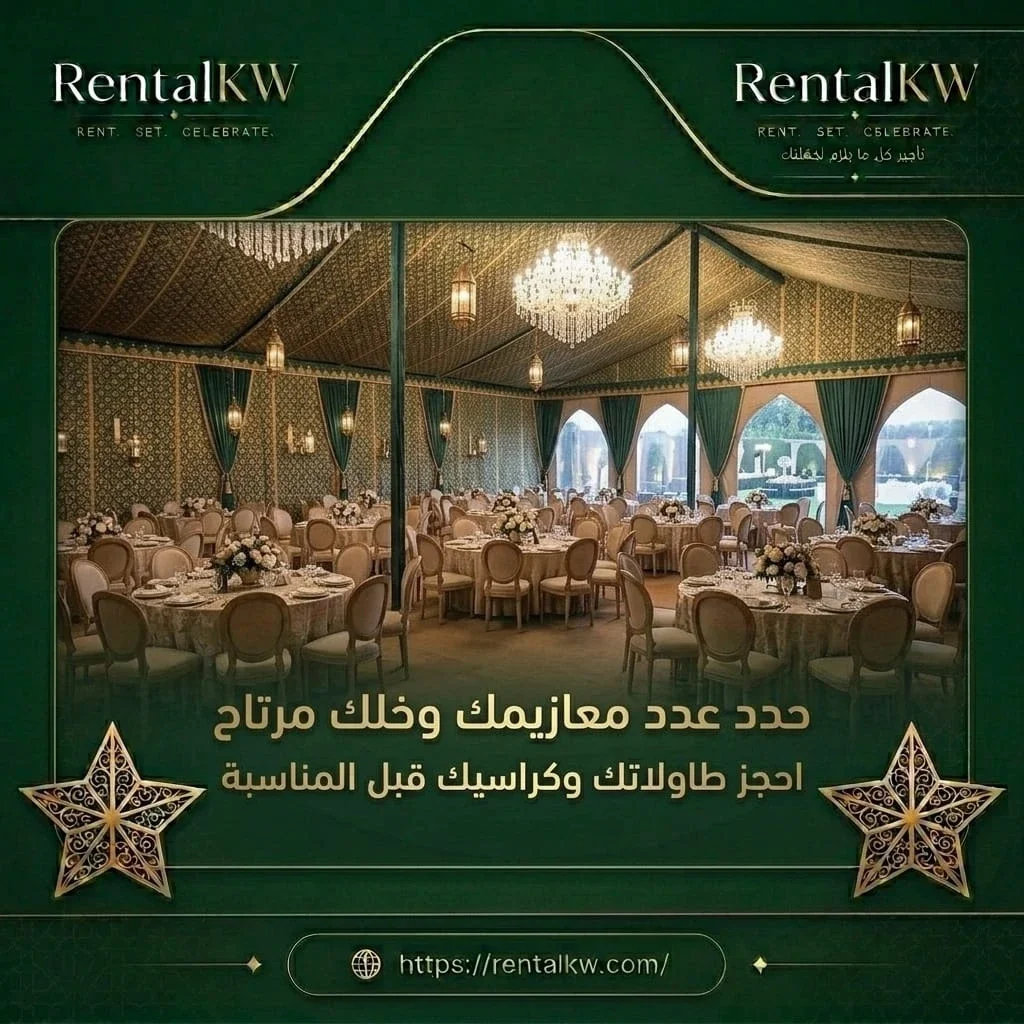
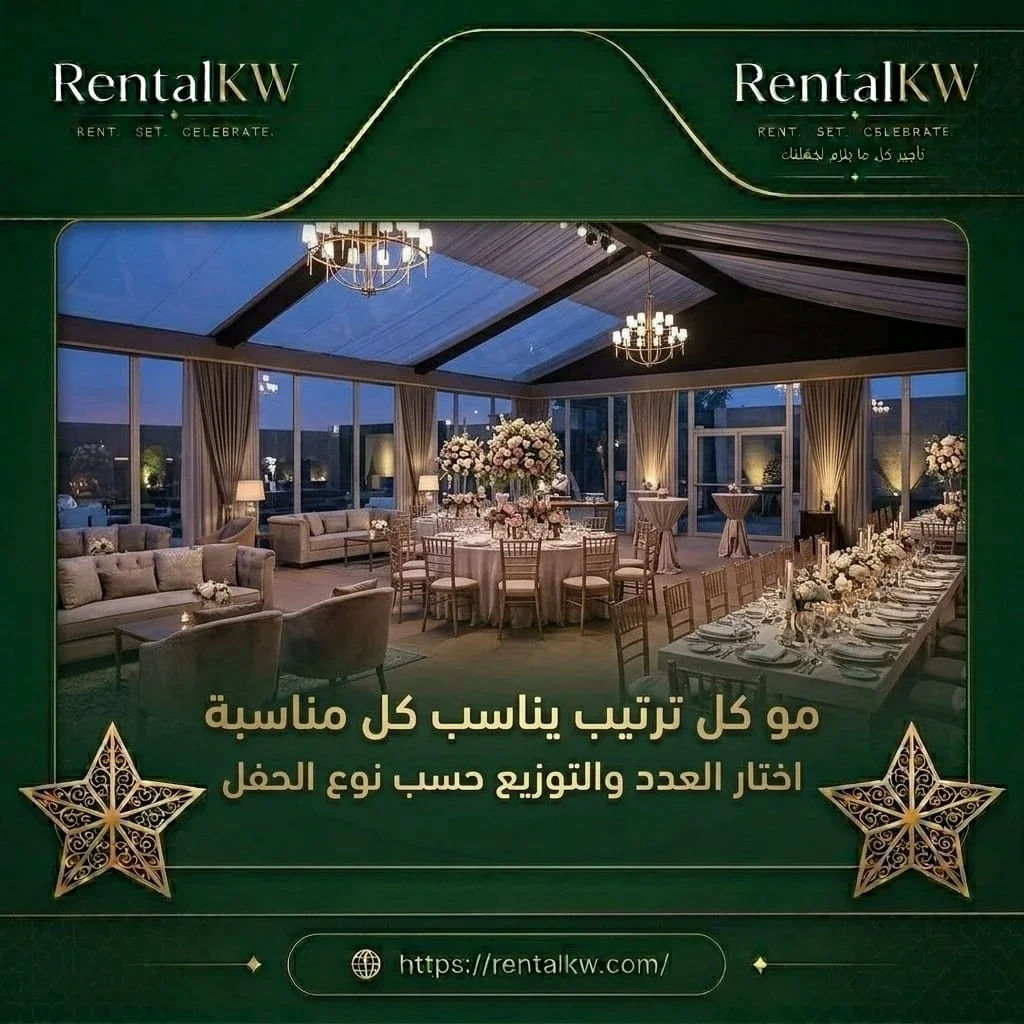
Preparing guest seating areas involves more than distributing tables and chairs throughout the hall because it requires a layout that considers guest comfort, service movement, circulation routes, and the locations of major wedding features. The clearer the plan is before furniture arrives, the faster the setup process becomes and the less likely significant changes will be required.
From practical wedding experience, guest distribution should consider more than the total number of seats. Certain tables may need to be closer to the couple’s platform, while some groups may benefit from easier movement access. No table should block a service route or occupy an essential entrance path.
Effective planning can also reduce the number of unnecessary furniture pieces without reducing comfort because efficient table placement limits wasted space. However, efficiency should never mean compressing seating arrangements. The objective is to use the venue intelligently while maintaining comfortable movement.
When preparing guest seating areas, review:
• The expected final guest count before confirming the total number of tables
• Table distribution according to the actual venue shape rather than relying only on repetitive rows
• Required service entrance and exit circulation routes
• The distance between seating groups and the couple’s platform or buffet areas
• Spare seating positioned where it will not create unnecessary congestion
• A final review of the layout after the furniture is physically installed and before guests arrive
Booking Wedding Furniture
Booking wedding furniture should begin after determining the guest count, venue, seating arrangement, and required types of tables and chairs. Booking early can help secure a consistent quantity in the same style and color, particularly for larger weddings requiring hundreds of matching pieces.
From a practical perspective, the final quantity should not be confirmed before reviewing the venue layout. The number of tables may change after circulation routes are calculated or the seating style may be adjusted. The booking should therefore allow reasonable flexibility whenever possible, with clear conditions regarding quantity changes before delivery.
The agreement should also explain the furniture condition, transportation, arrangement, and collection services. A lower rental price provides limited value if the customer requires a complete setup and later discovers that delivery or arrangement is calculated separately.
When booking wedding furniture, confirm:
• The final quantity required for every table and chair type
• The agreed colors and designs with enough detail to avoid confusion
• Delivery setup and collection dates and times
• Whether quantities can be adjusted before the wedding under clearly defined conditions
• The services included in the quotation and any additions charged separately
• Final furniture inspection during setup to confirm consistency across all groups
Conclusion
Successful wedding table and chair rental for events does not depend only on the number or luxury level of the furniture. It depends on whether the selected pieces support the guests, venue, and overall design at the same time. A beautiful chair loses much of its value when placed inside an overcrowded seating arrangement, while an impressive table does not serve the celebration properly if it blocks circulation routes or makes service difficult.
Planning begins with the number of guests, followed by venue dimensions and seating style. Different chair and table types can then be selected according to the needs of each area. Napoleon or Tiffany chairs may be suitable for the main guest seating, while other areas may benefit from different options. Thoughtful variation can help control the budget without weakening the overall visual identity.
Tables also require functional planning. Round tables, buffet tables, reception tables, and illuminated tables each serve a different purpose, which means their quantity and dimensions should be selected according to function rather than simply to fill available space.
The distance between furniture remains essential to guest comfort. Guests should be able to pull their chairs back, sit down, and leave easily, while service staff should be able to move between tables even when the hall is fully occupied. These practical details are what separate a venue that merely looks attractive in photographs from one that is genuinely comfortable throughout the celebration.
Ultimately, the strongest furniture setup combines appearance, comfort, and organization. When furniture is selected after a clear venue plan has been prepared, it becomes easier to determine the required quantity, styles, and cost accurately while reducing the risk of excess furniture or overcrowded seating on the wedding day.
Frequently Asked Questions
How do I determine the right number of tables and chairs for a wedding?
Begin with the number of guests expected to attend, then determine the table type and the comfortable number of seats around each one while accounting for circulation routes and service space. This provides a realistic furniture quantity rather than relying on the invitation count alone.
What is the difference between Napoleon and Tiffany wedding chairs?
The appearance, design, and visual effect vary according to the chair type and selected color. The better choice is the chair that coordinates with the wedding décor, tables, and available space rather than selecting one based only on its style name.
Are round tables suitable for every wedding celebration?
They work well for many weddings but are not the only option. Venue dimensions, guest distribution, and the number of people in each seating group determine whether round or rectangular tables are more appropriate.
Can gold and silver chairs be used at the same wedding?
Yes, when the combination is intentional and carefully planned. Mixing both colors without a clear design concept can make the seating arrangement appear inconsistent. If both are used, it is usually better to connect each color with a specific area or decorative purpose.
Why is spacing between tables important?
Adequate spacing allows guests to pull their chairs back, gives service staff enough room to move, and prevents circulation routes from becoming congested. These distances should be calculated during the initial seating plan rather than after furniture has already been installed.
Does furniture rental include delivery and arrangement?
That depends on the quotation. Some services include delivery, setup, and collection, while others provide furniture rental only. These details should be clarified before the booking is confirmed.
When should wedding furniture be booked?
It is preferable to book after the approximate guest count and venue layout are clear, while still allowing enough time to secure the required style, color, and quantity, particularly during periods of higher wedding demand.
What should be checked before guests arrive?
Review the number of seats, furniture consistency, distances between tables, main circulation routes, and the alignment of seating groups. This final inspection can identify practical problems that may not have been visible when the arrangement existed only on paper.