
How Many Tables and Chairs Do You Need for Guests

In this article
- Calculating the Number of Chairs for an Event
- Number of Tables Based on the Number of Guests
- Tables and Chairs for 50 People
- Preparing Seating Arrangements for 100 Guests
- Tables and Chairs for 200 People
- Number of Chairs Around a Round Table
- Arranging Tables Inside an Event Venue
- Calculating Wedding Guest Seating
- Number of Buffet Tables for an Event
- Planning Guest Seating at Events
- Conclusion
- Frequently Asked Questions
When preparing for a wedding celebration or family event, calculating the required number of tables and chairs may seem like a simple task based only on the number of invited guests. However, the real question is how many tables and chairs do you need based on the number of guests? And how can you make sure every person has a suitable seat without renting additional equipment that you do not actually need? The answer varies depending on the food service style, table capacity, type of event, and arrangement of families and groups. An event with one hundred guests seated around round tables requires a different arrangement from an event with the same number of attendees seated in rows. In this guide, you will learn how to calculate the required seats and tables using clear numerical examples that help you plan accurately and avoid common mistakes before confirming your rental order.
Calculating the Number of Chairs for an Event

Calculating the number of chairs for an event begins by identifying how many people actually need seats during the celebration rather than relying only on the total number of invitations sent. The guest list may include people who have not confirmed their attendance, children with different seating requirements, or accompanying guests who were not included in the initial estimate. Therefore, the first step is to prepare an expected attendance list that can be updated before the event instead of depending on a verbal estimate that may be difficult to review.
If you have an event with 80 confirmed guests and everyone will be seated at the same time, the starting point is to provide 80 suitable seats. If you decide to allocate 5 additional chairs based on the possibility of extra guests attending, the required total becomes 85 chairs. This example demonstrates the calculation method only and does not mean that adding five chairs is a fixed rule for every event.
It is also important to distinguish between chairs allocated to guests and chairs used in other areas. You may need separate seating for a reception area, hospitality station, or people involved in organizing the event. These chairs should not be counted as part of the guest seating if they will remain in use in separate locations throughout the occasion.
One mistake that increases costs is renting a large number of spare chairs without a reasonable estimate of additional attendance. On the other hand, relying only on confirmed attendance without considering possible changes may cause a shortage when unexpected guests arrive. The better solution is to create a clear record connecting expected attendance with essential seating and any additional chairs genuinely required.
When calculating the number of chairs for an event, consider the following:
-
Prepare an attendance list that can be updated: Record guests who have confirmed their attendance separately from invitees who have not yet responded so the required number of seats is based on clear information and can be adjusted as the event date approaches
-
Determine the number of essential seats: Allocate one suitable seat for every guest who needs to sit at the same time and avoid assuming that some attendees will remain standing throughout the celebration unless the event format and organization genuinely depend on that arrangement
-
Calculate children's seating separately: Identify the number of children their ages and their seating needs before selecting chairs because some may require regular seats while others may need appropriate seating equipment whose availability should be confirmed in advance
-
Determine spare chairs based on attendance probability: Add a carefully considered number of chairs when there is a realistic expectation of additional guests rather than applying the same fixed percentage to every event without considering the invitations and confirmation status
-
Separate guest chairs from service chairs: Prepare an independent calculation for any seating required in reception areas event organization zones or service locations so a shortage does not occur in the main seating area because chairs have been used elsewhere
-
Review the final quantity before confirming the order: Compare the guest attendance list with the number of chairs to be rented and confirm whether quantities can be adjusted under the rental provider's terms instead of relying on the first estimate made during the initial planning stage
Number of Tables Based on the Number of Guests
Determining the number of tables based on the number of guests depends on the actual seating capacity of the selected table and how attendees will be distributed around it. Knowing that an event includes one hundred people is not enough to choose a random number of tables because tables differ in shape, dimensions, and the number of chairs that can be arranged around them appropriately.
The correct method begins by identifying how many guests will be seated at tables and then confirming the suitable capacity of each table according to its actual dimensions and the type of chairs being used. The number of guests is then divided by the number of seats allocated to each table, with the result rounded up to the next whole number whenever necessary.
For example, if you have 96 guests and the selected tables accommodate 8 people each according to the approved seating arrangement, you will need 12 tables. However, if the guest count is 100 with the same table capacity, you will mathematically need 13 tables because 12 tables provide only 96 seats, while the thirteenth table provides the remaining four required seats.
The basic formula is:
Number of tables = Number of guests ÷ Suitable number of seats per table
Round the result up to the next whole number.
However, this formula is only the starting point rather than the final decision. You may prefer to seat families at separate tables, reserve a table for elderly guests, or leave certain seats unoccupied to maintain appropriate group arrangements. In these situations, the required number of tables may be higher than the direct mathematical result.
The cost of setting up tables also depends on more than their quantity. Expenses may vary according to table size, type, chairs, tablecloths, required accessories, and the services included in the rental quotation. It is therefore better to establish a suitable arrangement first and then request a clear price quotation instead of selecting the smallest possible number of tables without considering guests' needs.
When determining the number of tables based on the number of guests, consider the following:
-
Confirm the actual seating capacity of each table: Identify how many seats can appropriately be used around the selected table rather than relying on general descriptions such as a large table or family table because dimensions and designs vary
-
Always round the calculation upward: Increase the result to the next whole number when the guest count cannot be divided evenly by the table capacity so the remaining attendees are not overlooked during the calculation
-
Consider family and group arrangements: Do not automatically treat every seat as interchangeable because allocating separate tables to certain groups may require additional tables even when empty seats are available elsewhere
-
Distinguish guest tables from service tables: Calculate dining and seating tables separately from those used for hospitality drinks or equipment so quantities do not become confused when preparing the rental order
-
Compare table capacities before selecting dimensions: Examine how choosing tables with different capacities affects the final quantity and seating arrangement rather than assuming that reducing the number of tables is always the best option for organization or cost
-
Request a quotation covering the complete setup: Confirm which items are included with the tables such as chairs tablecloths delivery and installation when required because comparing the price of a table alone may not reflect the total cost of the arrangement
Tables and Chairs for 50 People
When preparing tables and chairs for 50 people, it is possible to create a clear seating plan without excessive complexity, provided that the table type and event format are selected from the beginning. Fifty guests may gather around dining tables, sit in rows for a family occasion, or be distributed between a main seating area and a reception section. Each arrangement produces a different number of tables even though the basic number of chairs remains unchanged.
If all fifty guests need seats at the same time, the calculation begins with fifty chairs. The number of tables, however, depends on the actual seating capacity of the selected table.
For example, if you choose tables that appropriately accommodate 5 people each, you will need 10 tables. If the selected table accommodates 6 people, you will mathematically need 9 tables because eight tables provide only 48 seats. If you use tables with a capacity of 8 people, the mathematical minimum will be 7 tables, providing 56 seats with six places remaining unoccupied when seating fifty guests.
These figures are mathematical examples rather than recommendations to use a particular table size or confirmation that all available tables accommodate these numbers. The table dimensions and chair type must be reviewed before approving the seating capacity.
The final arrangement may also differ when the event includes families who prefer to sit together. Having fifty seats distributed across seven tables does not necessarily mean that this is the best arrangement for every group. An additional table may be needed to achieve a more suitable distribution without increasing the number of guests.
For smaller events, the best approach is to prepare a record showing each table and the number of people assigned to it, then compare the final total with the number of chairs required.
When preparing tables and chairs for 50 people, consider the following:
-
Start with fifty essential seats: Provide the number required for confirmed guests and then determine any additional chairs separately according to realistic attendance possibilities rather than combining spare seating with the essential number
-
Choose table capacity before determining quantity: Identify whether the approved arrangement uses tables suitable for five six or eight people or another capacity because changing the number of seats per table directly affects the total number of tables required
-
Apply the correct numerical calculation: If the approved capacity is eight seats per table fifty guests mathematically require seven tables rather than six because six tables provide only forty-eight seats
-
Review family group arrangements: Identify which guests prefer to sit together before confirming the final number of tables because arranging fifty people in a socially appropriate way may differ from distributing them according to the smallest mathematical number of tables
-
Identify equipment not intended for seating: Separate any table used for hospitality services or event supplies from the tables calculated for guests so the available seating does not decrease when one of the tables is assigned another function
-
Prepare a final quantity checklist: Record the number of chairs tables capacity of each table occupied seats and required spare seating in one document so the rental order can be reviewed easily and shortages or unnecessary equipment can be avoided
Preparing Seating Arrangements for 100 Guests
Preparing seating arrangements for 100 guests requires moving beyond simple numerical calculations toward organizing groups within the event. When attendance reaches one hundred people, it becomes important to determine the number of chairs and tables while considering relationships between guests, food service methods, and the nature of the seating arrangements. The goal is not simply to provide one hundred chairs but to distribute them so that every guest knows where to sit and can join an appropriate group.
If the event uses tables that accommodate eight people according to the approved actual dimensions, the initial calculation requires 13 tables to provide 104 seats. You can arrange 12 tables with eight guests each and a final table with four guests. However, this arrangement is not mandatory because family distribution may make it inappropriate to use the full capacity of certain tables.
If the tables can appropriately accommodate ten people, one hundred guests mathematically require ten tables. The actual capacity of this type of table must be confirmed before approving the number because suitable seating depends on the table dimensions, chair width, and seating arrangement.
Another important consideration is whether all guests will eat at the same time. For seated dinner events with assigned places, enough seats must be provided for everyone expected to attend. Events that include different seating areas, however, require separate calculations for each area according to its intended use.
The cost of the setup should not be overlooked. Rental quotations for one hundred chairs and ten tables may differ from quotations using a larger number of tables with lower seating capacities. The correct comparison is therefore between complete seating arrangements rather than the individual price of a chair or table.
When preparing seating arrangements for 100 guests, consider the following:
-
Choose a seating system that suits the event: Determine whether guests will sit around dining tables within social groups or in rows because the seating format determines the number of tables required rather than attendance alone
-
Prepare a table numbering schedule: Assign a clear number to each table and connect it with the number of guests allocated to it so empty seats or groups exceeding table capacity can be identified before the event
-
Avoid forcing guests into equal groups: Do not separate members of the same group simply to fill every seat at every table because leaving some seats unused may be better than creating an unsuitable social arrangement
-
Review seating quantities against the food service method: Make sure the number of tables suits the selected service style whether food is served at the tables or through a buffet because the service format affects how seating is used
-
Compare the cost of different arrangements: Request a clear quotation for each option including the number of tables chairs and accompanying equipment rather than assuming that fewer tables necessarily mean a lower total cost
-
Finalize the guest list before setup: Review guest names and table assignments sufficiently ahead of installation according to the rental provider's terms so last-minute changes do not lead to disorganized adjustments in furniture quantities
Tables and Chairs for 200 People
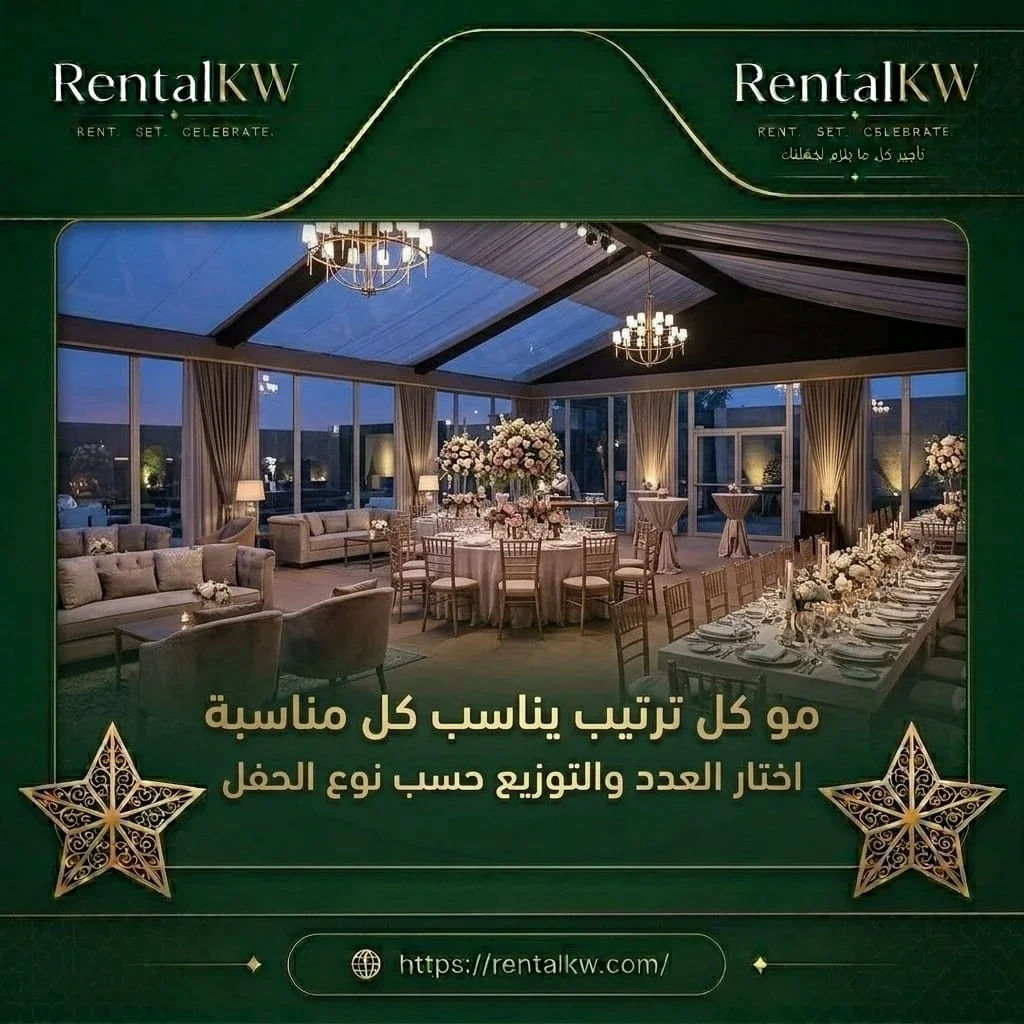
When planning to provide tables and chairs for 200 people, managing quantities and seating arrangements becomes one of the most important parts of a successful setup. Having two hundred guests means dealing with several groups that may differ in size, needs, and seating preferences. Therefore, the calculation does not end with knowing the number of chairs. It also includes distributing tables, identifying the seats that will actually be occupied, and reviewing quantities before implementation.
If every guest needs a seat at the same time, the starting point is two hundred chairs. When using tables that accommodate eight people according to the approved dimensions, the mathematical requirement is 25 tables. If the appropriate capacity is ten people per table, the calculation becomes 20 tables.
This comparison demonstrates how the selected table capacity affects the number of furniture pieces required. However, it does not mean that larger tables are always preferable because family groupings and the nature of the event may make one option more appropriate than another.
A common mistake at large events is relying on the total number of seats without preparing a record showing their distribution. Two hundred chairs may be available, but some tables may become overcrowded while empty seats remain in other areas. Preparing the arrangement in advance therefore helps establish the actual number of tables before guests arrive.
Essential furniture should also be separated from furniture used for services. If there are tables for reception, hospitality, or buffet service, they should be added to the equipment list rather than deducted from the tables allocated to invited guests.
From a financial perspective, reviewing quantities becomes increasingly important as attendance grows because unnecessary additional tables or chairs may affect the overall cost of rental, transportation, and setup depending on the quotation details.
When preparing tables and chairs for 200 people, consider the following:
-
Create a separate quantity record for each furniture category: List essential chairs guest seating tables and any additional equipment independently so quantities do not become confused when preparing the order or receiving furniture at the event venue
-
Compare table quantities according to seating capacity: Calculate the requirements for two hundred guests using the actual capacities of available tables to understand the differences between options before choosing the type that suits the intended seating arrangement
-
Organize groups before confirming the final quantity: Determine where families and guests who know one another will sit because theoretical calculations may require adjustment when applied to actual social groups
-
Prepare an equipment delivery checklist: Compare the number of chairs and tables delivered to the venue with the agreed order so any differences can be identified before the celebration begins rather than waiting until guests arrive
-
Assign someone to supervise seating arrangements: Appoint a member of the event organization team to oversee table numbers and guide guests when necessary so random movement between seating areas does not cause overcrowding in certain sections
-
Review the final quantity costs: Compare the actual required quantities with the rental quotation and clarify the cost of any additions or changes before confirmation because differences between the initial estimate and final quantities may affect the budget
Number of Chairs Around a Round Table
Determining the number of chairs around a round table is one of the decisions that directly affects guest comfort and seating arrangements. Although round tables are frequently used at weddings and family celebrations, their capacity cannot be determined by shape alone because the actual table diameter, chair width, and arrangement of dining equipment all affect the appropriate number of seats.
Mathematically, the available distance around a table can be estimated using the circumference of a circle. The table circumference is calculated by multiplying its diameter by approximately 3.14. However, this calculation alone does not determine the final seating capacity because comfortable seating also requires considering chair width and the space each guest uses while dining.
For example, if a round table has a diameter of 180 centimeters, its approximate circumference is 565 centimeters. When eight people are seated around it, each person has approximately 70.7 centimeters of the circumference. When ten people are seated, that amount decreases to approximately 56.5 centimeters.
These figures demonstrate the mathematical difference only and do not automatically mean that the table is suitable for eight or ten people. Practical seating capacity must be evaluated according to the table design, chair type, space needed for dining equipment, and actual usage requirements.
The chair design may also change the result. Chairs with armrests or wider designs may require different amounts of space compared with simpler chairs. For this reason, testing the actual seating arrangement is preferable to relying on a commonly quoted capacity for round tables.
When determining the number of chairs around a round table, consider the following:
-
Identify the actual table diameter: Request the precise table measurement rather than relying on descriptions such as small medium or large because diameter is the basis for estimating the distance available around the table
-
Calculate the circumference to compare options: Use the circle circumference formula to understand the theoretical distance available to each person when changing the number of seats without treating the result as a final standard for comfort or capacity
-
Consider chair width and design: Compare the width of chairs used around the table because chairs with armrests or larger designs may reduce the number that can be arranged appropriately
-
Account for dining equipment: Make sure the arrangement of plates serving utensils and decorations does not create overcrowding when the table is used for dining rather than judging its capacity while it is empty
-
Test the number of seats before approving the setup: Arrange the selected chairs around a table of the same dimensions whenever possible so actual spacing can be evaluated instead of relying only on photographs or theoretical calculations
-
Avoid adding chairs simply to maximize circumference usage: Choose a number that allows the table to be used appropriately even if it is lower than the theoretical maximum because the objective is to provide a practical seating arrangement rather than achieve the highest possible number
Arranging Tables Inside an Event Venue
Arranging tables inside an event venue involves more than placing furniture in visually coordinated rows or groups. Table distribution affects guests' views of important event areas, their ability to move toward food and services, and how easily they can reach their seats without confusion.
The arrangement begins with understanding the shape of the hall or the space allocated to the event. A rectangular venue may require a different layout from a square hall or a location containing columns or permanent structures that cannot be moved. Therefore, the plan should be based on actual venue dimensions rather than copying a table arrangement seen at another celebration.
The main features of the venue should be identified before distributing the tables. At weddings, for example, there may be a bridal stage, a designated entrance area, or a photography section. Table placement should not obstruct views or interfere with movement toward these areas.
Appropriate distances between table groups must also be considered according to usage and safety requirements. A large number of tables may appear to fit on a simple drawing but become impractical when guests are seated and chairs are moved backward.
It is better to approach the arrangement as a complete guest experience. Every attendee needs to identify their table, reach it, sit down, and leave comfortably. The clearer the planning, the smoother the event organization becomes.
When arranging tables inside an event venue, consider the following:
-
Start with the venue's permanent features: Identify columns entrances stages and service areas before positioning tables so the layout is built around the actual site rather than attempting to rearrange furniture after discovering obstacles
-
Consider the main sightlines: Position tables in ways that reduce obstruction of the stage or activity area when watching the event is an important part of the guest experience
-
Provide clear routes between groups: Leave appropriate space for movement according to venue requirements instead of placing tables so close together that guest circulation or food service becomes difficult
-
Arrange tables according to seating needs: Select appropriate locations for family groups elderly guests and attendees who may need easier access without assuming that everyone has identical seating requirements
-
Review service locations before finalizing furniture positions: Make sure the table arrangement does not interfere with access to the buffet hospitality stations or other areas used during the celebration
-
Test the layout after positioning the chairs: Evaluate the arrangement with chairs in their actual seating positions because gaps that appear spacious between empty tables may become narrower when guests are seated
Calculating Wedding Guest Seating
Calculating wedding guest seating requires particular attention because the attendance list may include family groups, friends, children, and guests who need different seating arrangements. Weddings may also include separate sections or tables reserved for certain family members depending on the nature of the celebration.
The first step is to prepare a list of confirmed invitees and identify those who need seats during the main part of the event. If the wedding includes a dinner where all guests are seated at the same time, the required number of seats should be calculated according to the attendance expected during that period.
The next stage is dividing the guest list into groups. The family may prefer to allocate tables for relatives, others for friends, and separate tables for elderly guests. This division does not change the number of guests, but it may affect the number of tables because group sizes do not always match the full seating capacity of each table.
For example, if there are 120 guests and the selected tables accommodate eight people, the mathematical minimum is 15 tables. However, when guests are arranged by groups, an additional table may be required if separating certain groups is necessary and seating them together at one table would not be appropriate.
Seating requirements for children or guests with specific accessibility or seating needs should also be reviewed. It should not be assumed that all attendees can use the same chair type without understanding their individual requirements.
When calculating wedding guest seating, consider the following:
-
Divide the invitation list into organizational categories: Prepare clear groups for relatives friends and other guests according to the wedding format so seating can be planned without relying on random distribution when attendees arrive
-
Determine the seats required for dinner: Calculate the number of people who will be seated during food service separately from other stages of the celebration if seating usage differs between activities
-
Reserve tables for important groups in advance: Identify seating needs for families and elderly guests before distributing the remaining attendees so these arrangements do not have to be handled at the last moment
-
Review the needs of children and other guests: Identify any special requirements relating to chair type or ease of access before confirming quantities so the equipment is suitable for the people who will use it
-
Recalculate table quantities after assigning names: Do not rely only on dividing the total attendance by table capacity because social group arrangements may leave unused seats and require adjustments to the final number of tables
-
Prepare a final version of the seating plan: Review guest names table numbers and the seats allocated to each group before the wedding so changes can be handled in an organized manner
Number of Buffet Tables for an Event
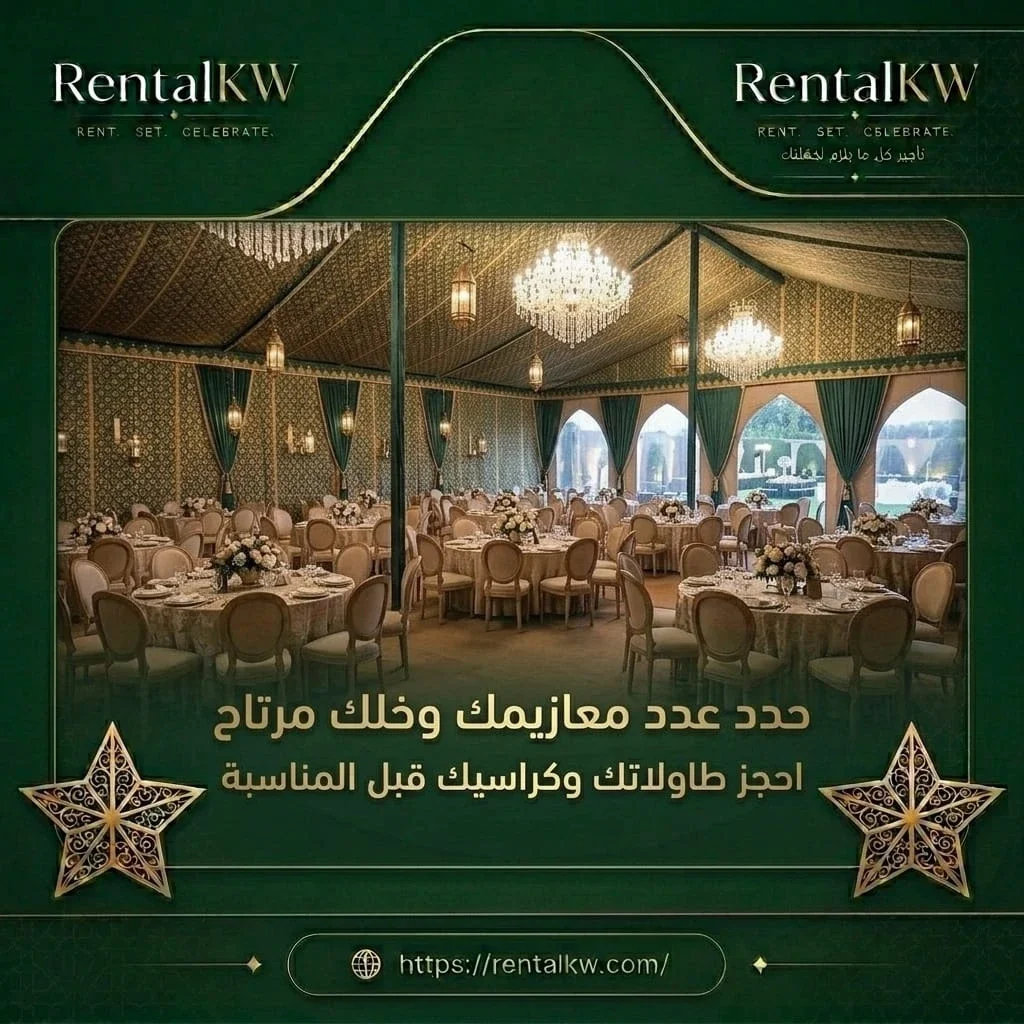
Calculating the number of buffet tables for an event differs from calculating guest seating tables because buffet tables are used to display food, beverages, and serving equipment rather than directly providing seats for attendees. Therefore, there is no fixed formula connecting the number of guests with the number of buffet tables without knowing the food selection, service style, and dimensions of the tables being used.
An event serving a limited selection of dishes may require a different arrangement from a celebration featuring several food sections, desserts, and beverages. Using long tables or separate display units also affects the quantity required.
It is important to distinguish between the number of tables and the number of service points. Food may be distributed across multiple sides, or separate sections may be allocated to particular dishes to make access easier for guests. This decision relates to service planning rather than simply increasing the furniture quantity.
For example, if an event includes one hundred guests, it is not possible to say automatically that two or three buffet tables will be sufficient. The menu, serving method, and required display space must first be identified before choosing the appropriate number of tables according to their actual dimensions.
The buffet location in relation to guest seating should also be considered. The tables may provide enough room to display food but still be positioned in an area that becomes congested when attendees approach them.
Buffet setup costs vary according to the number and size of tables, tablecloths, accompanying equipment, and services included in the quotation. It is therefore preferable to separate buffet table expenses from guest seating table expenses when preparing the budget.
When determining the number of buffet tables for an event, consider the following:
-
List the food sections before choosing tables: Identify dishes beverages desserts and their display requirements so the number of tables reflects the serving space needed rather than relying only on the guest count
-
Identify the dimensions of display tables: Select quantities according to table length width and usable display space because differences in dimensions may significantly change the number required
-
Determine the food service points: Consider whether serving food from multiple areas or sides would suit the event rather than concentrating every dish in one location without planning
-
Consider guest movement around the buffet: Choose a position that allows guests to reach food and move away afterward without obstructing walkways or interfering with seating areas
-
Separate buffet tables from guest tables: Record them as an independent category in the equipment checklist so they are not mistakenly included among tables allocated to seated guests
-
Clarify buffet setup costs: Request a breakdown of the items included in the rental such as tables tablecloths and any agreed additional equipment so the financial comparison reflects the actual service required
Planning Guest Seating at Events
Planning guest seating at events is the stage where the number of tables and chairs becomes an actual organizational system for attendees. The numerical calculation may be correct, but the guest experience can still become disorganized if people do not know where to sit or if groups are distributed in ways that do not suit the occasion.
Planning begins with preparing a final attendance list and dividing it into groups according to family relationships or the nature of the invitations. Suitable tables are then assigned to each group while considering the actual seating capacity of each table and the number of seats required.
A simple spreadsheet containing the table number, guest names, occupied seats, and remaining seats can be useful. This approach helps identify any excess or shortage before the event rather than attempting to resolve the problem while welcoming attendees.
The guest guidance system should also be clear. For events with assigned tables, numbers or identification cards can be used according to the chosen organizational approach. Events with open seating may instead need an arrangement that allows guests to choose their places without everyone gathering in one section and leaving other areas empty.
One mistake to avoid is making numerous changes to guest assignments without updating the main list. This may result in the same seat being reserved more than once or a table remaining partially empty while other guests still need places.
The best approach is to keep the seating plan adjustable before the event while maintaining one clear final version that reception and organization staff can follow.
When planning guest seating at events, consider the following:
-
Prepare a spreadsheet connecting names with tables: Record every guest within the appropriate group and assigned table so duplicate names or missing attendees can be identified in the attendance list
-
Determine the capacity of each table independently: Do not assume that every table has the same number of seats when different dimensions are being used because accurate planning depends on the actual capacity of each piece
-
Consider relationships between guests: Arrange family members and connected groups in ways that suit the event rather than filling empty seats without considering the comfort of those seated together
-
Choose a clear method for guiding attendees: Use table numbers or appropriate identification methods when needed so guests can reach their seats without repeatedly asking for directions or searching randomly
-
Update the plan whenever changes occur: Adjust the seating spreadsheet when additional guests confirm attendance or others cancel while maintaining one approved version so event teams do not work from conflicting lists
-
Review the plan before the event begins: Compare the actual table numbers and seating arrangements with the final guest list so any differences can be identified before attendees arrive
Conclusion
The answer to how many tables and chairs you need based on the number of guests begins with calculating the essential seats, selecting appropriate table capacities, and organizing attendees effectively. The number of chairs depends on how many people need to sit at the same time, while the number of tables changes according to their dimensions, intended use, and how guests are divided into groups.
Simple formulas help establish a clear initial estimate. If you have one hundred guests and tables suitable for eight people, you will mathematically need thirteen tables. However, the final quantity may change when arranging families, adding separate tables for certain groups, or allocating additional equipment for service areas.
Choosing tables and chairs should not depend on price alone. Actual dimensions, ease of furniture use, compatibility with the event format, and services included in the rental quotation all influence the quality of the setup and the final cost.
The best approach is always to prepare a clear equipment checklist showing guest numbers, chairs, tables, the capacity of each table, and additional requirements. When this information is connected to an organized seating plan, it becomes easier to prevent seating shortages, reduce unnecessary quantities, and prepare for the event with greater confidence.
Frequently Asked Questions
How do I calculate the number of chairs needed for an event?
Start with the number of guests who need to sit at the same time, then add any spare chairs based on a realistic expectation of additional attendance. Chairs used in reception or service areas should be calculated separately when required.
How many tables do I need for 50 people?
The number depends on the appropriate capacity of each table. If a table accommodates five people, you will need ten tables. If it accommodates eight people, you will mathematically need seven tables, provided that the actual seating capacity and guest arrangement are suitable.
How many tables are needed for 100 guests?
If the tables appropriately accommodate eight people, you will mathematically need thirteen tables. If they accommodate ten people, you will need ten tables. The final quantity may change depending on how families and other groups are arranged.
How many chairs and tables do I need for 200 people?
If all guests will be seated at the same time, start with two hundred chairs. You will mathematically need twenty-five tables with a capacity of eight people or twenty tables with a capacity of ten people, provided that these capacities are suitable for the selected tables.
Can ten chairs be placed around any round table?
No. Seating capacity depends on the table diameter, chair width, and space needed for dining equipment. Actual dimensions should be checked and the seating arrangement tested rather than assuming that every round table can accommodate ten people.
Should spare chairs be provided at every event?
Spare chairs may be allocated when there is a realistic possibility of additional guests attending, but there is no fixed percentage suitable for every occasion. The number should be determined according to the nature of the invitations and the level of attendance confirmation.
Are buffet tables included in the number of guest tables?
No. Buffet tables must be calculated separately because they are used to display food and beverages rather than seat guests. The required quantity depends on the dishes, serving method, and dimensions of the display tables.
What is the best way to avoid a shortage of tables and chairs on the event day?
Prepare a final checklist showing attendance, chairs, tables, and the capacity of each table. Review the guest seating arrangement and compare the delivered quantities with the rental order before the event begins. Updating the list whenever changes occur also helps reduce mistakes.